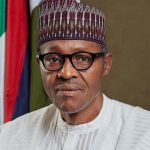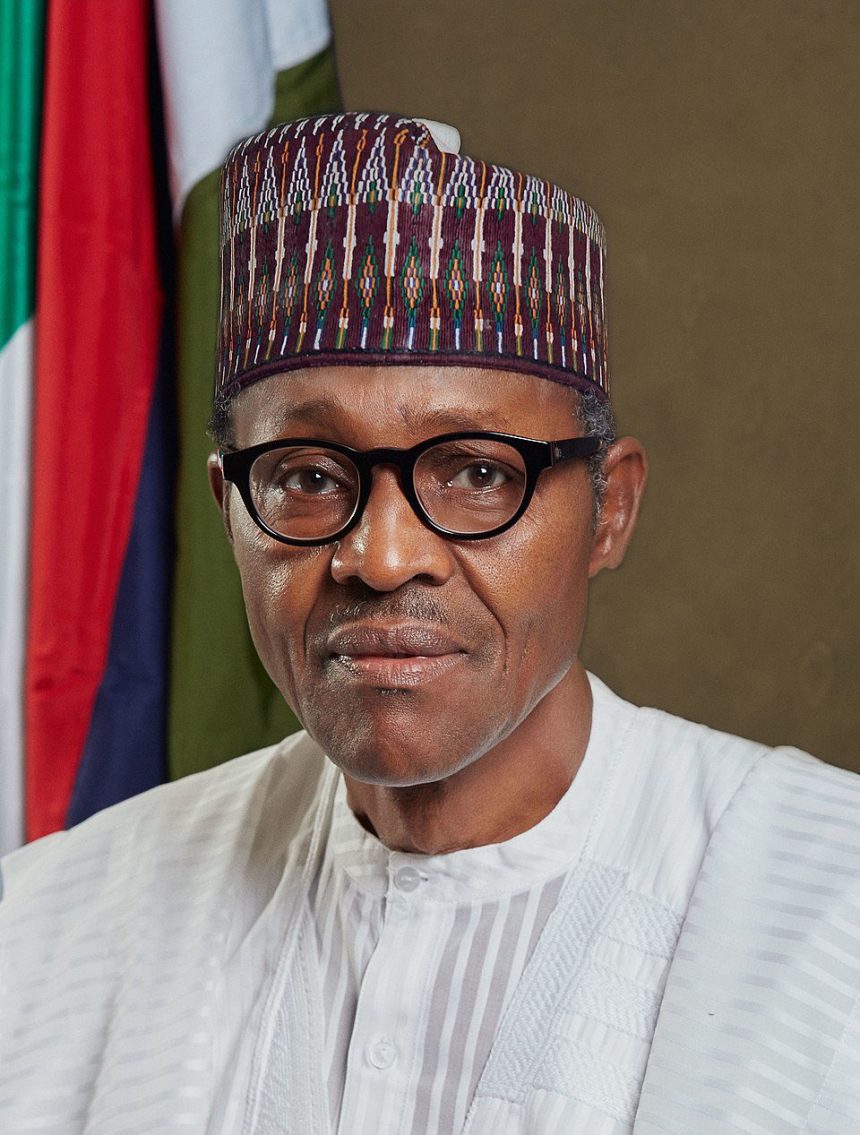
As the nation mourns the passing of former President Muhammadu Buhari, GCFR, who died on Sunday, July 13, 2025, at a private clinic in London, the story of his life, marked by contradiction, conviction, and commitment has once again taken centre stage in Nigeria’s national memory.
Buhari’s journey from the military barracks to the ballot box remains one of the most remarkable political evolutions in Nigeria’s history.
He was a man who wore both khaki and agbada; not just literally, but symbolically, embodying the military’s discipline and the democratic ideal of public accountability just like one of his predecessors, Chief Olusegun Obasanjo, GCFR.
Born on December 17, 1942, in Daura, Katsina State, Muhammadu Buhari was a man of few words but firm action.
His early military career, forged through the crucibles of the Nigerian Army and refined by trainings in India, the UK, and the United States, culminated in his emergence as Nigeria’s military Head of State from 1983 to 1985 following a coup that ousted the Second Republic.
As a military ruler, he was known for his War Against Indiscipline (WAI), a campaign that, though stern and controversial, was aimed at restoring a sense of national order and responsibility.
But it was his second coming as a democratically elected leader, that would define his legacy.
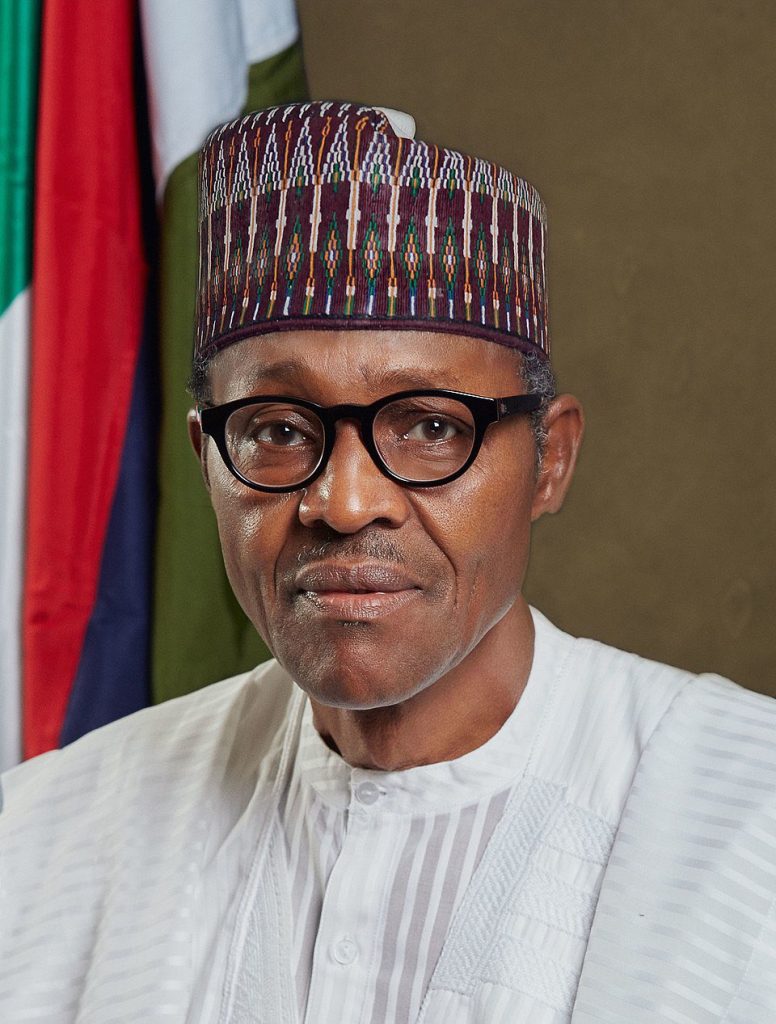
After being ousted in 1985, Buhari faded into near obscurity, taking on various roles including heading the Petroleum Trust Fund (PTF) under Sani Abacha.
It wasn’t until 2003 that he re-emerged on the political scene. And after three failed attempts at the presidency, Buhari finally won Nigeria’s 2015 general elections under the platform of the All Progressives Congress (APC), defeating an incumbent president; a first in Nigeria’s democratic history.
His election symbolised hope for millions of Nigerians. He was seen as a figure who could fight corruption, crush insurgency, and instil discipline in governance. And though his tenure was not without criticism, ranging from economic challenges to rising insecurity and perceived ethnocentric policies.
Buhari was re-elected in 2019 and served until 2023, after which he quietly retired to his hometown in Daura.
In typical fashion, he chose a low profile, resisting post-presidency political theatrics.
His death, confirmed by his family through spokesperson Garba Shehu, sent shockwaves across the country and the international community.
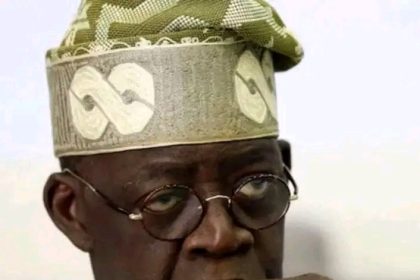
President Bola Tinubu described him as “a symbol of patriotic duty and national service.”
Former President Goodluck Jonathan, whom Buhari defeated in 2015, called him “a worthy opponent and a statesman.”
International tributes have poured in from world leaders, including the President of the African Union Commission and the United Nations Secretary-General, all acknowledging Buhari’s role in stabilizing Nigeria’s democracy and his contributions to peace efforts in West Africa.
To many Nigerians, Muhammadu Buhari was a paradox a disciplinarian with democratic instincts; a conservative with reformist ambitions. But whether admired or opposed, his place in the nation’s history is cemented.
As Nigeria prepares for a national day of mourning on Tuesday, July 15, a holiday declared by the Federal Government in his honour, the memory of The Democratic Soldier will linger: His watch has ended, but his legacy marches on.