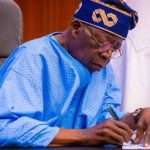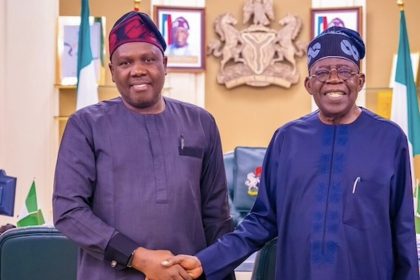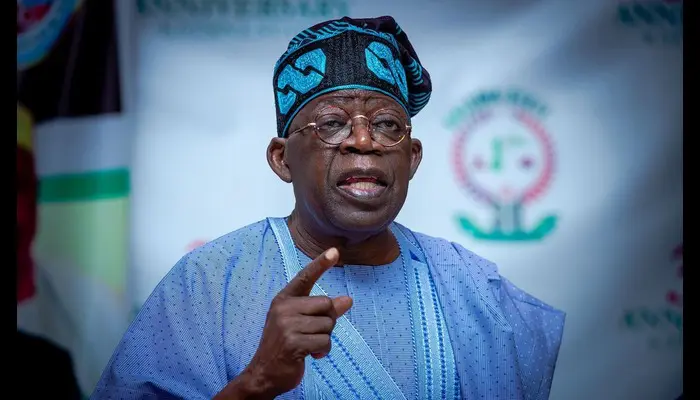
When President Bola Tinubu announced the removal of fuel subsidies in his inaugural speech, the country erupted in tension.
The streets buzzed with protests, transportation costs doubled overnight, and inflation quickly soared.
However, beyond the hardship, the decision marked a turning point, one that likely spared Nigeria from a deeper financial collapse and unlocked long-term economic potential.
At the heart of the matter was a fiscal crisis spiraling out of control. The fuel subsidy had grown into an unsustainable burden, costing the government over ₦400 billion every month.
This was not just an expense; it was a hemorrhage.
The fact remains that maintaining it would have meant borrowing to stay afloat, with debt service obligations swallowing nearly all of the country’s revenues.
Public sector salaries, infrastructure funding, even basic health and education programs were already under strain.
Economic experts warn that had the policy continued, Nigeria risked defaulting on its obligations, eroding investor confidence, and plunging into a full-scale debt crisis.
Beyond the books, the subsidy also quietly crippled the growth of Nigeria’s oil industry. With pump prices kept artificially low by government regulation, private investors were driven out of the downstream sector.
Refinery projects stalled, and local production dwindled.
The market was simply unattractive. But since the removal, there’s renewed momentum.
Projects like the Dangote Refinery have gained traction, and private sector confidence is gradually returning.
The liberalization of fuel prices, though painful in the short term, has opened a path to long-term self-reliance in refining and distribution, which could, in time, lower costs and create thousands of jobs.
For now, Nigerians are grappling with the immediate consequences, higher prices, shrinking disposable income, and a growing sense of economic unease. But behind the discomfort lies a strategic shift that may prove critical to the country’s survival.
If subsidy payments had continued, Nigeria wouldn’t just be paying for cheap fuel, it would be trading its future for temporary relief.