How Nigeria Can Build a Future Where Growing Old Is Not a Sentence to Fear
By Nze Emmanuel Ehirim
In Part One of this series, we examined the painful reality confronting thousands of elderly Nigerians living abroad—men and women who long to return home but remain in the United Kingdom because they fear growing old in a country without an organised system of care.
The question now is no longer whether Nigeria has a problem. It does. The more important question is whether we are prepared to solve it. Fortunately, examples already exist. The United Kingdom offers one of the clearest demonstrations of how healthcare and social care can work together to protect older citizens while preserving their dignity and independence.
For elderly people who require assistance, support extends far beyond hospitals. Local authorities assess individual needs and develop personalised care plans based on each person’s physical condition, living arrangements and level of independence. Depending on those needs, trained care workers visit people in their homes to assist with bathing, dressing, meal preparation, medication management and other daily activities.
Occupational therapists assess homes and recommend modifications that reduce the risk of falls and injuries. Physiotherapists help older adults recover strength and mobility after illness, surgery or stroke. District nurses provide medical care for individuals who cannot easily travel to healthcare facilities, while specialist dementia teams offer support to both patients and their families.
The objective is clear. Growing old should never mean losing one’s dignity, identity or sense of belonging. Nigeria does not need to copy the British model in its entirety. Our cultural realities, family structures and economic circumstances are different.
However, the principles behind that system provide valuable lessons that can be adapted to Nigerian communities. The first priority should be establishing functional adult social services in every state of the federation.
Such departments should work closely with hospitals, primary healthcare centres, local governments, traditional institutions, faith-based organisations and community development associations to identify elderly people who require support before emergencies occur.
Prevention is always less costly than crisis management. Nigeria must also invest seriously in developing professionals who specialise in gerontology, geriatric medicine, adult social work, dementia care, occupational therapy and community rehabilitation.
Universities and professional training institutions should introduce specialised programmes that prepare the workforce required to meet the demands of an ageing population.
Community-based care should become the foundation of elderly support. Rather than depending solely on institutional care homes, trained community care workers can provide assistance within people’s own homes and neighbourhoods, allowing older citizens to remain close to their families while receiving professional support.
Healthcare accessibility must equally improve. Every local government area should have well-equipped primary healthcare centres capable of managing chronic illnesses commonly associated with ageing, including hypertension, diabetes, arthritis and other long-term conditions.
Mobile healthcare services should be expanded to reach elderly residents in rural communities who face transportation difficulties or mobility challenges. Government should also establish targeted health insurance and social protection programmes specifically designed for senior citizens, ensuring that financial hardship never prevents access to essential healthcare.
Technology presents another opportunity. Telemedicine, electronic medical records and emergency response systems can significantly improve healthcare delivery, particularly for elderly people living alone or in remote locations.
Beyond healthcare, broader social conditions must also improve. Reliable electricity remains essential for people who depend on medical equipment or refrigerated medications. Improved security allows elderly citizens to live without constant fear. Accessible transportation enables continued participation in community life, while safe housing reduces injuries and promotes independent living.
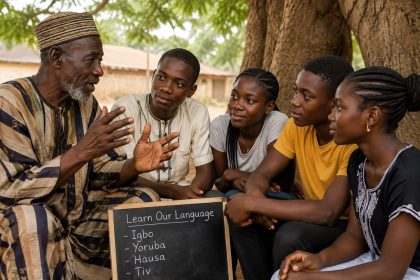
Traditional rulers, churches, mosques and community organisations equally have critical roles to play. Volunteer visitation programmes, neighbourhood support networks, caregiver assistance initiatives and regular welfare checks can help reduce loneliness while strengthening community solidarity.
Communities that proudly celebrate their elders during festivals and ceremonies must also demonstrate that respect through practical care and sustained support. The private sector should recognise the enormous opportunities within what economists now describe as the “silver economy.”
Investment in retirement housing, home-care agencies, rehabilitation centres, assistive technologies and specialised healthcare services would not only improve lives but also create employment and stimulate economic growth.
Above all, Nigeria must fundamentally change how it views ageing. Older people are not burdens. They are custodians of wisdom, experience, culture and institutional memory. They built the schools our children attend. They cultivated the farms that fed generations. They established businesses, served in public institutions, defended our nation and nurtured the families upon which society depends.
The true measure of any civilisation is not how it treats its strongest citizens, but how it protects those who have become most vulnerable. Nothing is more heartbreaking than watching Nigerians who spent their entire lives dreaming of retirement at home conclude that home can no longer care for them. No elderly Nigerian should ever have to choose between living among strangers abroad or facing neglect in the country they helped build.
Imo State has a unique opportunity to become a national leader by pioneering an integrated system of adult social services that combines healthcare, social support and community participation. Such visionary leadership would improve the lives of today’s senior citizens while preparing future generations for the demographic realities that lie ahead.
A society that protects its children secures its future.
A society that honours and cares for its elderly preserves its humanity.
A nation that achieves both earns the respect of the world.
If Nigeria fails to build a country where ageing is accompanied by dignity, security and compassionate care, then we would have failed in one of government’s most sacred responsibilities.
The time has come to stop treating ageing as merely a private family concern.
Elderly care must become a national development priority.
Only then can Nigerians everywhere look homeward with confidence, knowing that the country they helped build will also be there to care for them when they need it most.
About the Author
Nze Emmanuel Ehirim is a corporate communication practitioner, community development advocate and social policy commentator with extensive experience in governance, leadership, social justice and sustainable development.
He writes regularly on public policy, accountability, community participation, oil and gas governance, environmental justice, education, security and socio-economic development.
He is passionate about promoting transparent leadership, equitable distribution of public resources and people-centred policies that strengthen democratic institutions and improve the quality of life for all citizens.
His commentaries consistently advocate responsible governance, institutional accountability and inclusive partnerships between government, investors and local communities as pathways to sustainable national development. Website: https://nzesocialjusticefoundation.org , Email: [email protected]