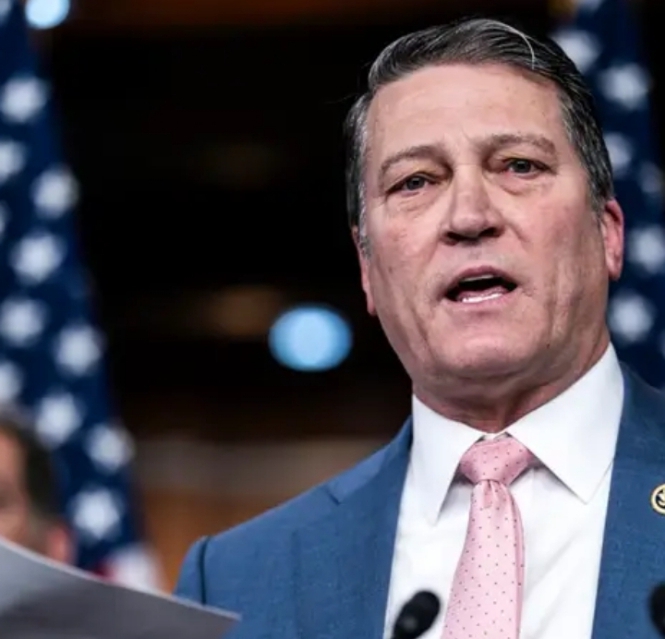
United States Congressman Ronny Jackson has warned that Nigeria is emerging as a new hub for South American drug traffickers.
Jackson reportedly made the remark during a private discussion with Washington-based firm Von Batten Montague York, which had presented old US Justice Department documents concerning alleged heroin trafficking linked to President Bola Tinubu.
The firm later made the congressman’s comments public, saying the development should concern both Nigerians and Americans.
It argued that Nigeria should be recognised as the “Giant of Africa” rather than a centre for international drug trafficking.
The comments come amid growing reports of Nigeria’s role in the global drug trade.
A Congressional Research Service report updated in July 2026 described Nigeria as a source, transit point and destination for cocaine, heroin and methamphetamine.
Recent drug seizures have also highlighted the growing threat.
In May, the National Drug Law Enforcement Agency, NDLEA, uncovered what it described as Nigeria’s largest methamphetamine laboratory in an Ogun State forest.
More than 2.4 tonnes of methamphetamine and chemicals worth hundreds of millions of dollars were seized, while Nigerians and Mexican nationals were arrested.
Another laboratory was discovered in Oyo State in June, where a Mexican drug specialist and local associates were arrested.
Reports by the BBC and US Africa Command have linked Mexican criminal groups, including the Sinaloa and Jalisco New Generation cartels, to the movement of methamphetamine specialists into Africa.
Four of five laboratories identified over the past year were reportedly found in Nigeria.
For years, West Africa was largely viewed as a transit route for cocaine from South America to Europe.
Authorities now say criminal networks are increasingly producing drugs on Nigerian soil.
NDLEA Chairman Mohamed Buba Marwa has said international drug gangs recruit South American specialists to establish clandestine laboratories in rural areas.
While the agency says its operations demonstrate an intensified crackdown, critics argue that the discoveries also show how deeply international drug networks have penetrated Nigeria.
Von Batten Montague York has also drawn attention to an old Chicago case involving Tinubu.
In 1993, US authorities seized about $460,000 from a bank account in Tinubu’s name following a civil case that linked the funds to a heroin network operating in Chicago between 1988 and 1991.
Tinubu was never charged or convicted of drug trafficking and has denied any involvement in the trade.
His lawyers have maintained that the matter was a civil forfeiture case.
The controversy has resurfaced as the FBI faces a court deadline over documents connected to the old investigation.
On August 28, 2026, the agency was expected to submit private documents to US District Judge Beryl Howell and explain why some of the records should remain sealed.
Von Batten Montague York is now urging US lawmakers to examine whether South American cartels are being attracted to Nigeria because of the allegations surrounding Tinubu or for other reasons.
The firm says it plans to raise the issue during meetings with members of Congress.
Calls for the release of the FBI documents have also grown in Nigeria.
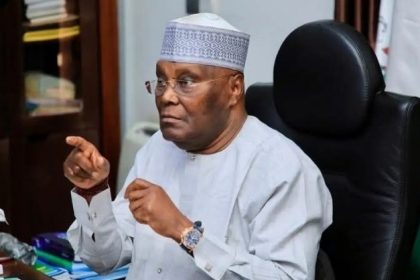
On August 22, Atiku Abubakar, through his aide Phrank Shaibu, argued that the FBI could protect confidential sources and sensitive information while still releasing the remaining records.
Tinubu’s administration, however, rejects any suggestion that Nigeria is becoming a narco-state.
The government points to drug arrests, major seizures and international cooperation, including agreements with Brazil, as evidence of its efforts to combat transnational drug trafficking.
Officials also stress that drug trafficking routes through West Africa existed long before Tinubu assumed office in 2023.
But Jackson’s warning has added a new dimension to the controversy.
The allegation that Nigeria is becoming a base for South American drug cartels raises concerns not only about the country’s security but also about how Washington views Africa’s most populous nation.
It also comes as renewed attention focuses on the unresolved US drug-related documents involving Tinubu.