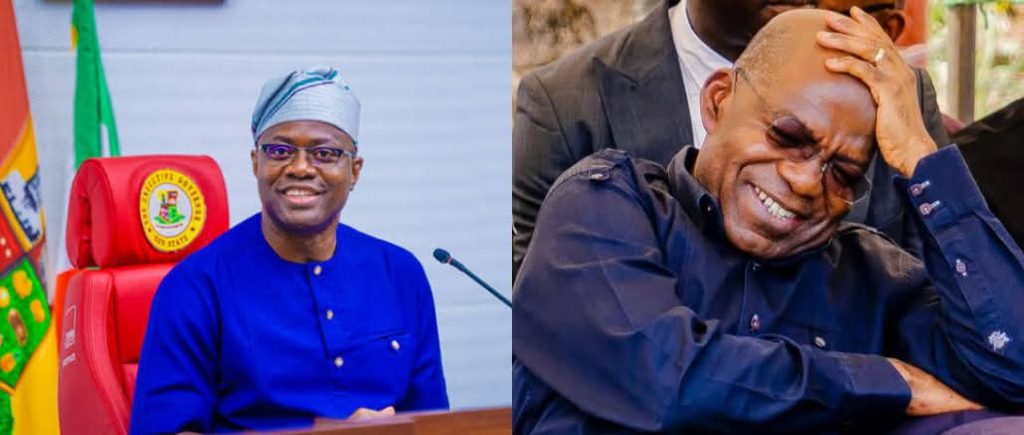
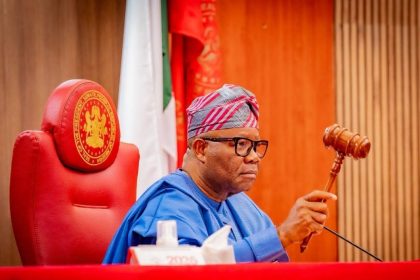
The presidential candidate of the Allied Peoples Movement (APM) and Oyo State Governor, Seyi Makinde, has dragged Abia State Governor Alex Otti and other state authorities before the Abia State High Court over an alleged ₦200 million campaign advertising fee imposed on presidential candidates.
The suit, marked HC/214/2026, was filed on September 17, 2026, at the Umuahia Judicial Division through Makinde and the APM’s lawyer, Musibau Adetunbi, SAN. The defendants include Governor Otti, the Abia State Attorney-General, the Abia State Signage and Advertisement Agency (ASAA), and the State House of Assembly.
At the centre of the dispute is an alleged fee requiring presidential candidates seeking to display campaign billboards and other outdoor campaign materials in Abia State to pay ₦200 million.
Makinde and the APM are asking the court to set aside the regulation imposing the fee, arguing that it is inconsistent with the 1999 Constitution and the Electoral Act 2026. They also want an injunction preventing the defendants from enforcing the charge or removing, defacing or obstructing their campaign materials in the State
The plaintiffs contend that if similar charges were imposed across the country, presidential candidates could face difficulties complying with the statutory limits on campaign expenditure.
They further argue that the Independent National Electoral Commission (INEC)* has the relevant constitutional and statutory authority to regulate political campaigns, and that Section 99(2) of the Electoral Act 2026 prohibits the use of state apparatus or regulatory bodies to the advantage or disadvantage of a political party or candidate.
The plaintiffs are seeking several declarations from the court, including a determination that the ₦200 million fee is unconstitutional, inconsistent with federal electoral legislation and therefore void.
The legal challenge now places the regulation of campaign advertising and the powers of state signage authorities at the centre of a court dispute ahead of the 2027 general elections.
As of the latest reports, the case remains before the Abia State High Court, with the court yet to determine the substantive claims.