- Oba Afolabi Odidiomo Says Decomposing Human Remains and Aviation Fuel Could Threaten Water Supply; Aiyedatiwa Orders River Fumigation, Health Kits
By Princely Onyenwe | News Desk
IGBOKODA, Ondo State — The Olu of Igbokoda, Oba Afolabi Odidiomo, has raised the alarm over the potential contamination of the community’s drinking-water source following the Nigerian Air Force (NAF) aircraft crash in the area, warning that decomposing human remains and possible aviation fuel pollution could trigger a wider public-health emergency if urgent measures are not taken.
The traditional ruler, who has been speaking publicly since the October 5 crash, called on the Federal Government and Ondo State Governor, Lucky Aiyedatiwa, to accelerate the recovery of victims’ remains and aircraft wreckage, undertake comprehensive environmental remediation and provide alternative sources of safe drinking water for residents.
His warning has heightened concerns over the environmental consequences of the disaster, which claimed the lives of all 25 people aboard the NAF 931 aircraft, comprising 20 passengers and five crew members, according to reports citing the Nigerian Air Force.
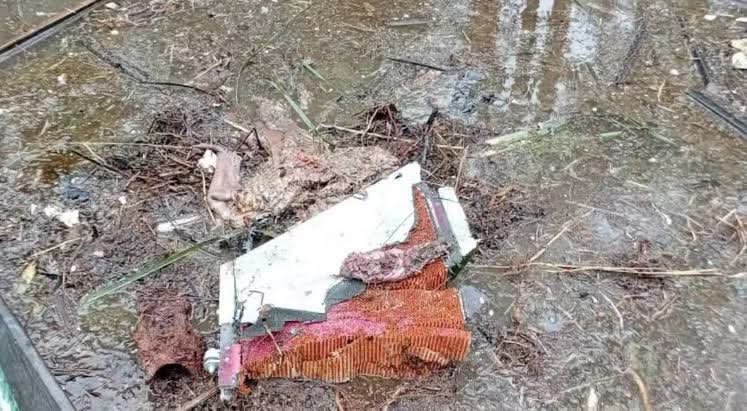
Speaking in an interview with PREMIUM TIMES, Oba Odidiomo described the odour emanating from the crash site as extremely offensive, alleging that decomposing human remains and body parts were floating in the river while possible fuel spillage was adding to residents’ fears of contamination.
“The odour is extremely offensive. So many parts of the human body are floating around in the river,” the monarch said, describing the condition of the waterway and the difficulties confronting residents as recovery operations continued.
The monarch’s concern centres on the connection between the swamp where the aircraft crashed and the water supply serving Igbokoda. He explained that water from the area flows towards a treatment facility at Aboto, approximately seven kilometres away, where it is processed for drinking and domestic use.
“This same river where the plane crashed into is what supplies our drinking water,” he said, explaining that water is pumped to the Aboto treatment facility when supplies are available.
He warned that decomposing remains, possible aviation fuel leakage and other materials from the submerged aircraft could affect the waterway before the water reaches the treatment facility.
Although the monarch described the river as polluted, the extent of any contamination reaching the treatment facility and the safety of the treated water require confirmation through water sampling and environmental testing by the relevant authorities.
The warning has nevertheless raised urgent questions about the protection of residents who depend on the waterway for domestic activities and livelihoods, particularly as recovery teams continue working in the swampy terrain.
Oba Odidiomo also expressed concern over the possible impact on aquatic life, alleging that fish were dying and that the waterway, previously used by children for swimming, had become frightening because of the reported presence of human remains.
The disaster has therefore created concerns beyond the immediate loss of lives, with residents now facing uncertainty over water safety, the environmental effects of the crash and the possible consequences for fishing and other economic activities associated with the river.
The monarch called for the immediate removal of outstanding human remains and aircraft debris, alongside measures to contain any fuel leakage and restore the affected environment.
“We are asking the government for cleanup. We are asking for remediation, a kind of restoration of the environment,” he said.
He further appealed for alternative drinking-water supplies while the relevant authorities investigate the condition of the river and undertake any necessary environmental intervention.
The monarch’s demands come as the Ondo State Government has announced emergency measures in response to complaints about the offensive smell and fears of possible health risks in Igbokoda.
Governor Aiyedatiwa has directed the state Ministries of Environment and Health to commence extensive fumigation of the river and distribute nose masks and other essential health kits to residents as a precaution against potential hazards.
In a statement issued on Wednesday, October 14, 2026, the Commissioner for Information and Orientation, Idowu Ajanaku, said the governor had ordered the intervention following complaints from residents about the strong odour emanating from the crash site.
The governor also directed the Ilaje Local Government Council to arrange water tankers for the continuous distribution of potable water if assessments establish that the river is severely polluted and unsuitable for use.
According to the state government, the proposed water-supply arrangement is intended to remain in place pending a lasting intervention to address any pollution found to have occurred.
The government also reaffirmed its commitment to supporting the Nigerian Air Force’s ongoing recovery operations while protecting the health and welfare of residents in the affected community.
The response represents an initial official intervention, although the monarch’s demand for comprehensive environmental remediation and the provision of alternative drinking water underscores the need for clear information about water quality, the progress of recovery operations and the long-term safety of the affected environment.
The crash occurred on October 5 when the NAF 931 ATR-42 aircraft went down in a swampy area of Igbokoda during a mission from Benin City, Edo State, to Lagos. Recovery operations have been complicated by the waterlogged terrain and the aircraft’s submersion.
The Nigerian Air Force has continued recovery efforts with support from other agencies, including specialist divers, while the search for human remains and important aircraft components has remained a central concern.
The military has also established an aircraft accident investigation board to determine the circumstances surrounding the crash. Investigators are expected to examine relevant operational, technical, environmental and other factors before drawing conclusions about its cause.
For the people of Igbokoda, however, the immediate concern is the potential impact of the tragedy on their daily lives. The reported stench, fears about the river and uncertainty surrounding the safety of local water supplies have added a public-health dimension to an already devastating incident.
Environmental and public-health authorities are expected to establish the condition of the affected waterway through appropriate testing, determine whether contamination has reached the water-treatment system and advise residents on safe water use.
Any confirmed contamination would require a coordinated response involving the removal of hazardous materials, appropriate environmental remediation, continued monitoring and the provision of safe alternative water supplies where necessary.
The Federal Government and the Ondo State Government are therefore facing growing calls to ensure that the recovery of the victims is matched by urgent action to protect the living, preserve the community’s environment and safeguard its sources of drinking water.
As the investigation and recovery operations continue, the central question remains whether authorities can establish the safety of Igbokoda’s water supply and implement the necessary measures quickly enough to prevent the aftermath of the crash from becoming a wider environmental and public-health emergency.
For inquiries on this news report contact 9News Nigeria on +234 08036856526