Chinedum Anayo | Abuja, Nigeria
The Centre for the Right to Health (CRH) has successfully implemented a community-based environmental conservation project in Zhipe Community, Karu Local Government Area of Nasarawa State.
The project, titled “Mitigating Environmental Threats and Providing Alternative Livelihoods in Zhipe Community,” was implemented under the Global Environment Facility Small Grants Programme (GEF-SGP) with support from the United Nations Development Programme (UNDP).
The initiative was designed to tackle the growing environmental challenges confronting the community, including land degradation, deforestation, soil erosion, flooding, and the unsustainable exploitation of natural resources.
In addressing these challenges, the project integrated environmental restoration with livelihood development, creating sustainable opportunities for rural households while promoting long-term ecosystem conservation.
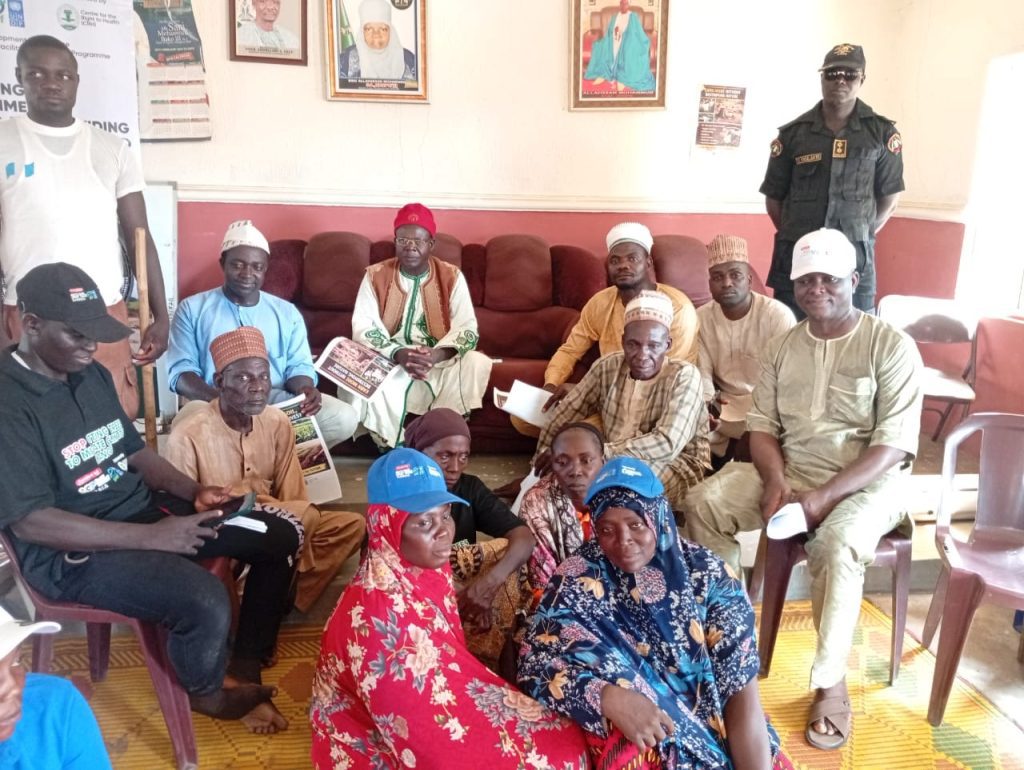
CRH, as part of the intervention, undertook extensive advocacy, stakeholder consultations, and community sensitization campaigns.
These campaigns involved various traditional rulers, women, youth groups, farmers, and other critical stakeholders.
The engagements strengthened community ownership of conservation initiatives and improved awareness of climate change adaptation, environmental protection, and sustainable natural resource management.
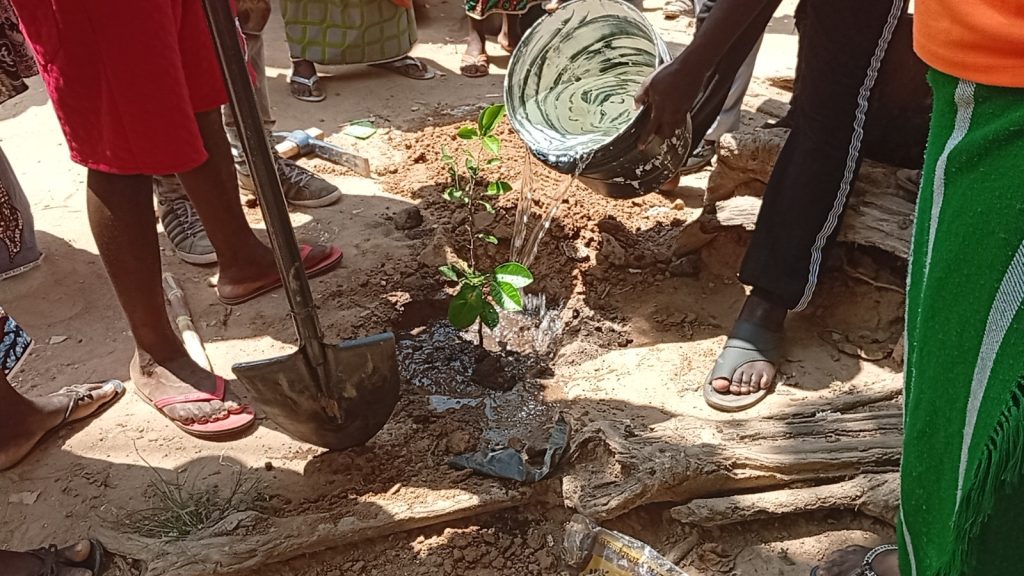
One of the project’s major achievements was the planting of 400 economic tree seedlings at strategic locations across Zhipe Community.
The tree planting exercise was aimed at restoring degraded landscapes, improving biodiversity, reducing the effects of climate change, and strengthening the community’s environmental resilience.
In addition, degraded farmlands were rehabilitated using conservation agriculture techniques and cut-off drainage systems to minimise soil erosion, reduce land degradation, and improve agricultural productivity.
In a bid to improve household food security and nutrition, CRH trained 200 community members in food crop production and backyard gardening.
The training equipped beneficiaries with practical knowledge and skills to enhance food production, improve household nutrition, and create additional income through sustainable farming.
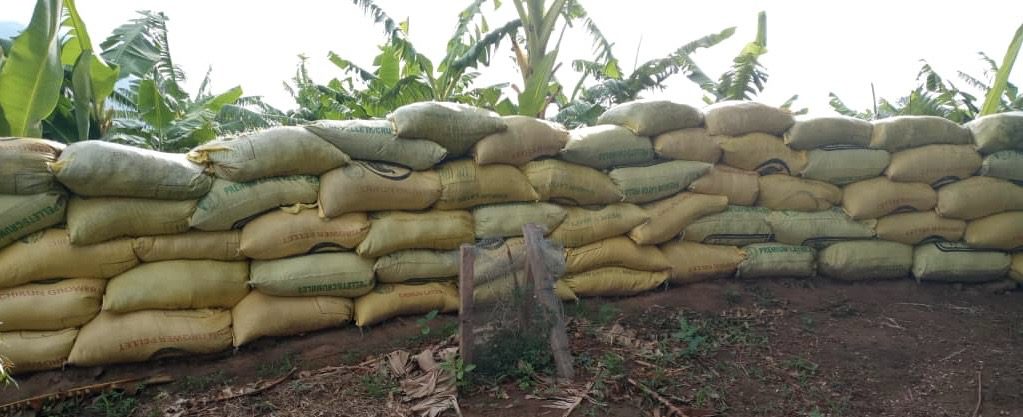
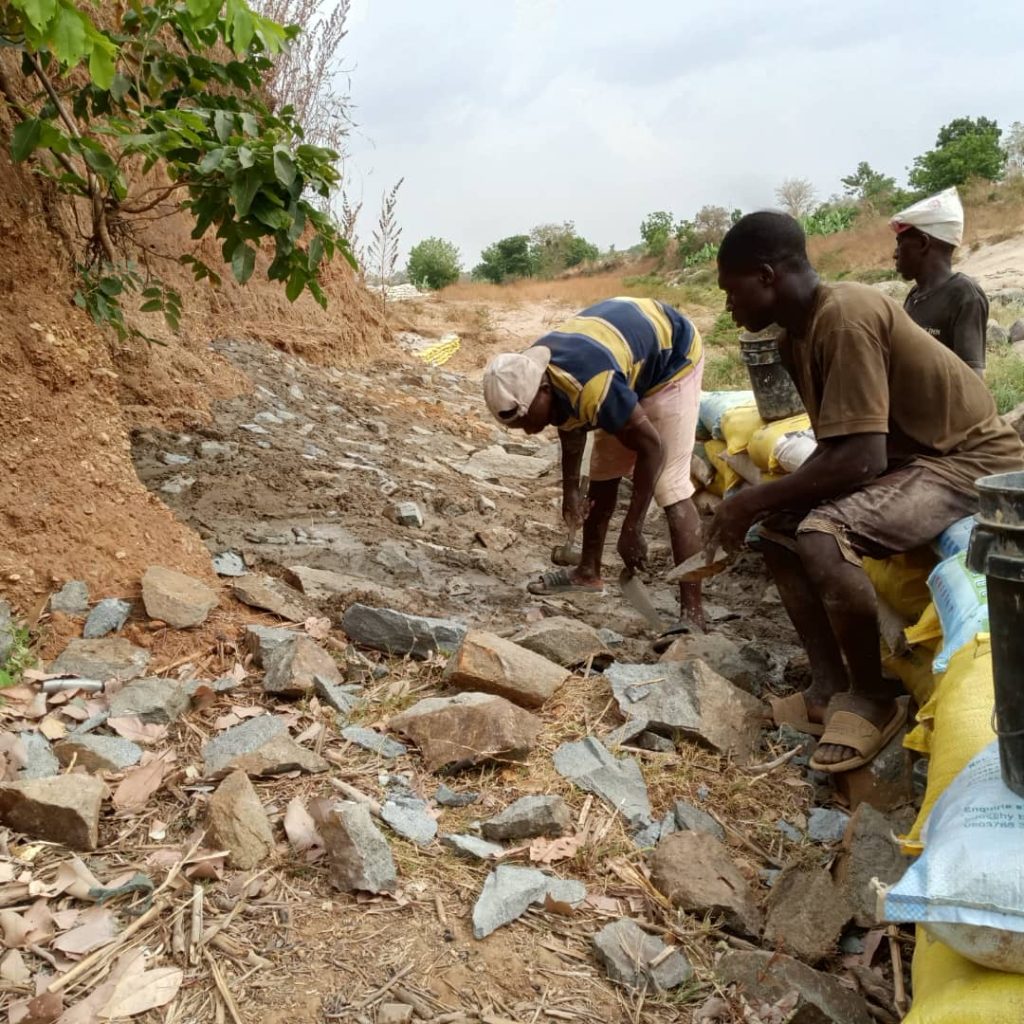
To address the recurring threats of erosion and flooding, the organisation trained 60 youths in river embankment construction and erosion control techniques.
Following the training, the participants carried out community-led embankment works designed to protect farmlands from flooding, reduce soil erosion, and mitigate the environmental impacts of seasonal water runoff.
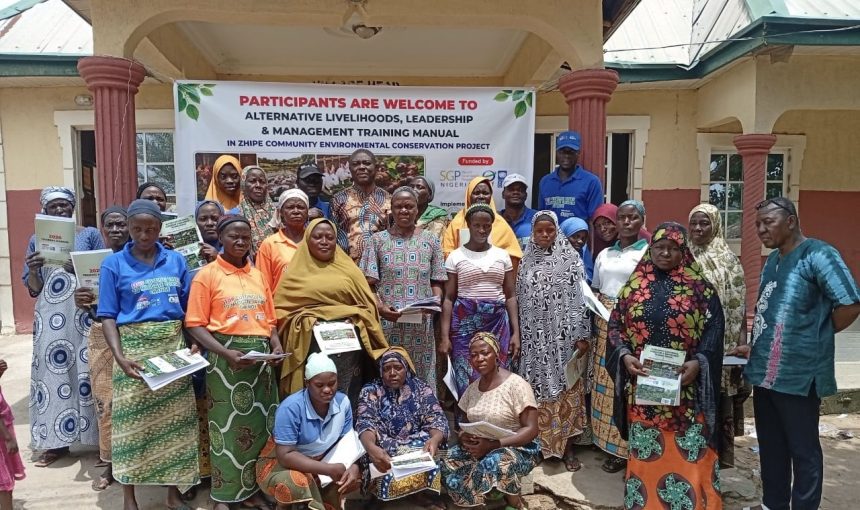
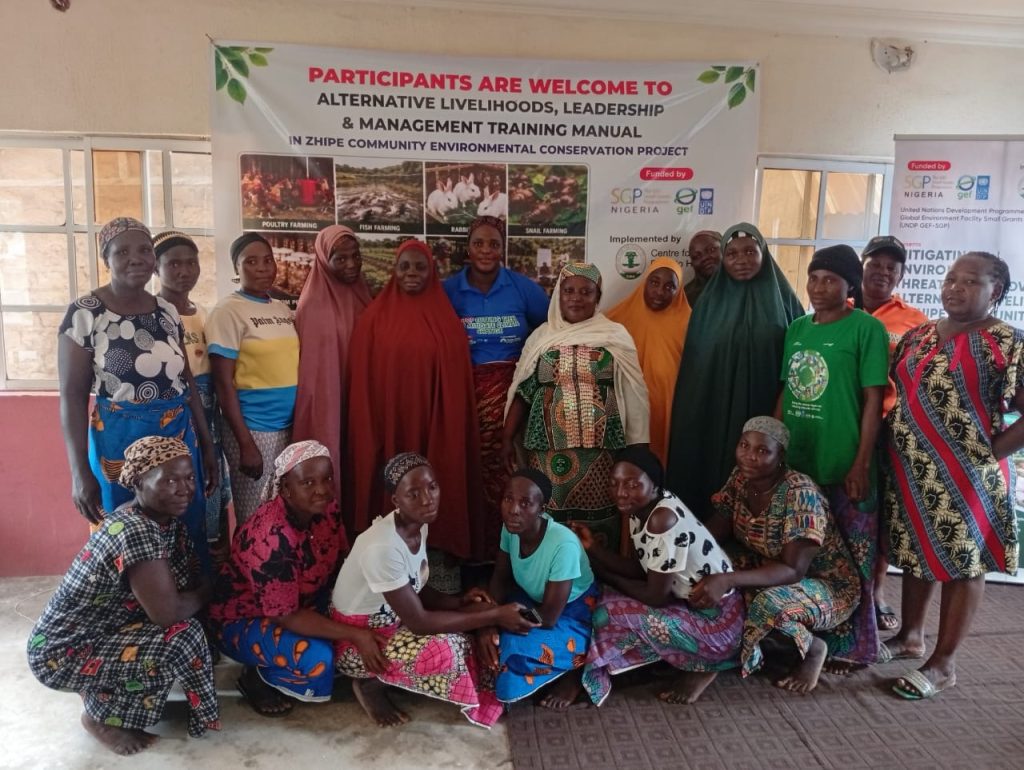
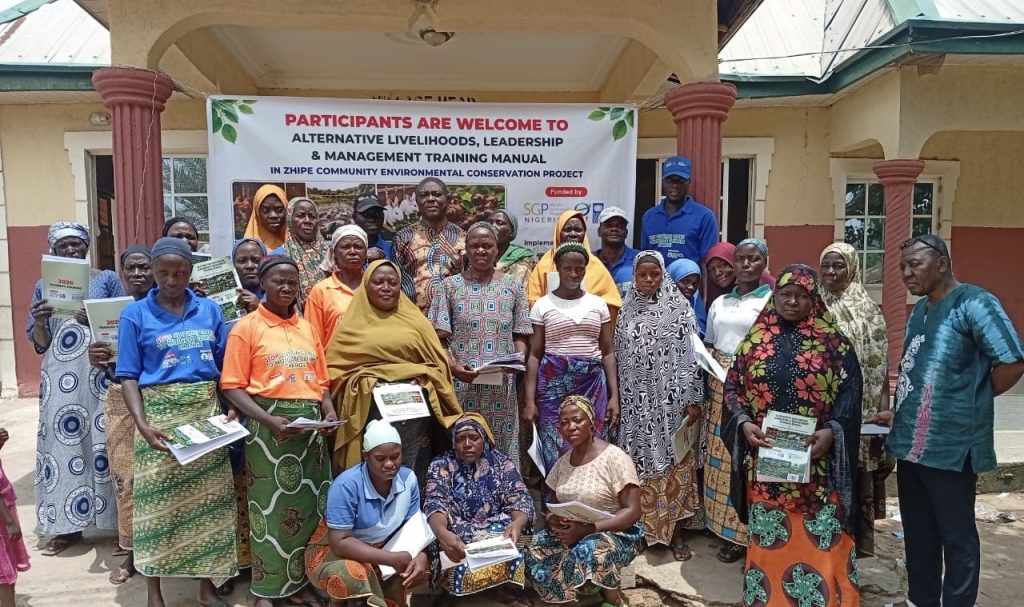
CRH further trained 60 beneficiaries in income-generating enterprises, including poultry farming, fish farming, rabbitry, snail farming, mushroom production, vegetable cultivation, and agribusiness management.
These efforts were made to promote the need to provide sustainable economic alternatives that support environmental conservation.
The programme is expected to reduce dependence on forest resources while creating sustainable income streams for participating households.
The project also promoted women’s leadership, economic empowerment, and social inclusion by training 20 women in leadership and cooperative management.
The participants subsequently established the Zhipe Women Agric Cooperative Society, providing a platform for collective savings, enterprise development, agricultural support services, and the long-term sustainability of the project’s gains.
To ensure that the project responded to the specific needs of the community, CRH conducted a comprehensive conservation assessment and baseline survey to document existing environmental conditions, livelihood patterns, and the community’s dependence on forest resources.
The organisation also facilitated eight Focus Group Discussion (FGD) sessions involving approximately 200 stakeholders, generating community-driven recommendations for environmental protection, sustainable land use, and natural resource management.
Speaking on the outcomes of the project, CRH said the intervention has significantly strengthened community participation in environmental conservation, improved livelihood opportunities, enhanced household food security, and encouraged the adoption of environmentally sustainable practices throughout Zhipe Community.
Community members expressed optimism that the knowledge, technical skills, and livelihood opportunities provided through the project would contribute to higher agricultural productivity, improved environmental stewardship, stronger household incomes, and the preservation of natural resources for future generations.
The organisation noted that the Zhipe intervention demonstrates how community-led conservation initiatives, supported through strategic partnerships under the GEF-SGP and UNDP, can simultaneously restore degraded ecosystems, improve rural livelihoods, strengthen climate resilience, and contribute to Nigeria’s broader efforts to combat climate change and achieve sustainable development.
flooding.
biodiversity