Exclusive Story by Chinedum Anayo
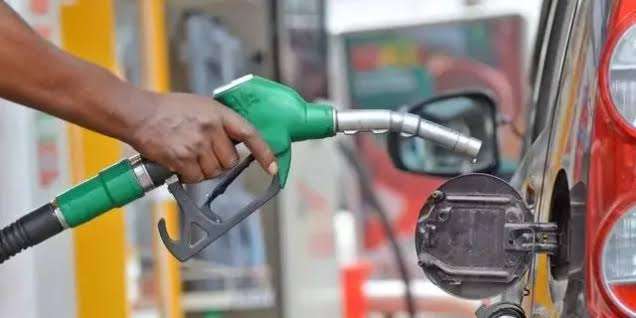
The Federal Government has warned that a return to petrol subsidy could trigger renewed pressure on Nigeria’s finances and potentially push the price of petrol to at least ₦2,000 per litre, while the naira could weaken to about ₦3,000 to the dollar within months.
The Minister of Finance and Coordinating Minister of the Economy, Taiwo Oyedele, made the projection on Thursday during a briefing in Abuja on fuel prices and the debate over subsidy.
Oyedele stressed that the figures were government estimates, rather than guaranteed outcomes, but argued that reinstating subsidy would put pressure on government revenues, borrowing costs, foreign reserves and the naira.
“Our estimate is that the exchange rate could approach ₦3,000 per dollar within months. And the so-called subsidised petrol will cost at least ₦2,000 per litre. This is well above what Nigerians pay today,” he said.
According to Oyedele, any subsidy programme would ultimately have to be financed through government revenue, increased borrowing, higher taxes or monetary expansion.
He argued that the resulting fiscal and foreign-exchange pressures could undermine recent progress on inflation, interest rates and significantly, Nigeria’s credit standing.
The minister also questioned how proponents of a subsidy regime intend to fund it sustainably.
“We remain open to ideas, but any credible proposer should answer three questions: What will it cost? How will it be funded sustainably? What pump price will it deliver?” Oyedele said.
Rather than returning to the previous subsidy system, the Federal Government says it is pursuing measures designed to reduce volatility and cushion consumers from sudden increases in petrol prices.
The government is negotiating a ₦1,350-per-litre ceiling on the ex-gantry or landing cost of petrol, subject to monthly reviews.
Under the proposed price-modulation mechanism, refiners and importers would initially absorb costs when market prices rise above the ceiling and recover the difference when conditions improve.
The government insists that the arrangement is neither a subsidy nor conventional price control, rather, it is an attempt to smooth out sharp fluctuations in petrol prices.
It has also announced a 30-day discount on petrol dispensed by NNPC Limited, with priority for public transporters nationwide.
Oyedele said the measure involves selling the product at cost rather than reinstating subsidy.
Other measures announced include plans to expand CNG adoption for transport operators, increase cash-transfer support for vulnerable Nigerians, provide credit support for small businesses, reduce transport-related levies, explore targeted vouchers for low-income earners and establish a strategic fuel reserve.
The government is also exploring forward crude sales to local refineries as domestic production increases.
The administration has maintained that removing the subsidy has significantly increased resources available to the Federation.
Oyedele said the removal of the petrol subsidy mobilised ₦15.8 trillion for the Federation between June 2023 and December 2025, with ₦5.4 trillion going to the Federal Government and ₦10.4 trillion shared among states and local governments through the Federation Account.
The government therefore maintains that the current approach is to protect consumers from excessive fuel-price volatility while avoiding a return to the fiscal burden of the former subsidy regime.
The ₦2,000 petrol price and ₦3,000/$ exchange-rate figures remain projections by the Federal Government of what could happen if subsidy were reinstated, rather than current prices or independently established forecasts.