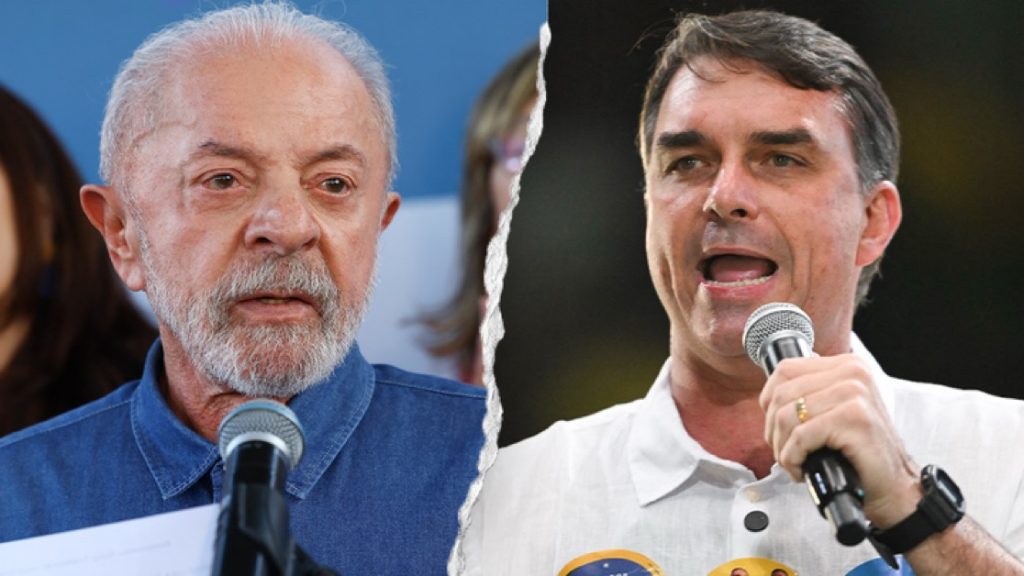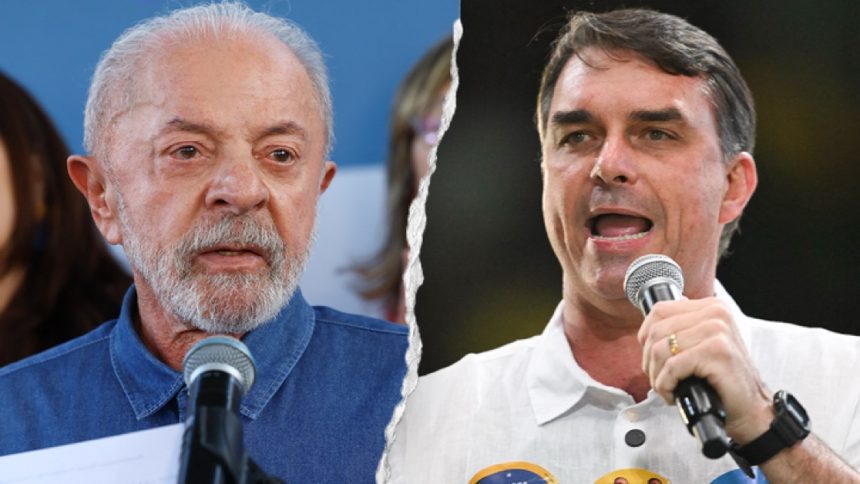
Brazilian President Luiz Inácio Lula da Silva has secured an unprecedented fourth, non-consecutive presidential term after defeating conservative Senator Flávio Bolsonaro in a closely contested runoff election.
According to Brazil’s Superior Electoral Court, Lula won 51.79 per cent of valid votes, representing 64.26 million ballots, while Bolsonaro, the son of former President Jair Bolsonaro, secured 48.21 per cent.
The result was announced on Sunday, October 25, 2026.
The victory marks a dramatic turnaround for Lula, who trailed Bolsonaro in the first round of voting on October 4.
Bolsonaro secured approximately 47.03 per cent of valid votes, compared with Lula’s 45.16 per cent, before the incumbent rallied support to win the decisive second round.
Lula’s strong backing in Brazil’s poorer northeastern region, combined with a late campaign mobilisation and higher-than-expected voter turnout, helped him overcome his opponent’s early advantage.
The election result has already triggered controversy, with Bolsonaro refusing to concede defeat and calling for the vote to be annulled over a decision to extend voting hours by two hours.
The extension was ordered by Supreme Court Justice Cristiano Zanin following concerns about voters’ access to polling stations, including reported transport difficulties.
Lula’s victory adds another chapter to one of the most extraordinary political careers in modern Brazilian history.
A former metalworker and trade union leader, he first served as president from 2003 to 2010, winning re-election in 2006.
He returned to office in January 2023 after defeating Jair Bolsonaro in the 2022 election.
His political comeback followed a corruption investigation that resulted in his imprisonment for 580 days.
His convictions were subsequently annulled by Brazil’s Supreme Court on procedural and jurisdictional grounds, clearing the way for his return to electoral politics.
During his political career, Lula has built his support around social welfare programmes, workers’ rights, poverty reduction and a greater role for the state in economic development.
His latest victory reflects the continued appeal of those policies among voters who view social protection and efforts to reduce inequality as central to Brazil’s future.
Despite his victory, Lula begins his new term facing significant domestic challenges.
Although his administration has highlighted improvements in employment, inflation and efforts to combat hunger, concerns about living costs, household finances and public security remain influential among voters.
Brazil also faces pressure to sustain economic growth while managing public spending and addressing demands for improved public services.