The Federal Government has announced plans to phase out electricity subsidies from 2027 as part of ongoing reforms aimed at improving the financial sustainability of Nigeria’s power sector.
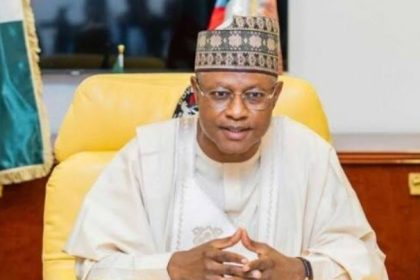
Minister of Power, Joseph Tegbe, disclosed the plan on Friday during a media briefing, where he addressed concerns over the growing debt burden facing the electricity industry.
According to Tegbe, the government intends to gradually end subsidy payments beginning in 2027 to reduce financial pressures and strengthen the long-term viability of the sector.
He, however, assured Nigerians that the planned subsidy removal would not lead to an immediate increase in electricity tariffs.
The minister said there are currently no plans to review electricity prices, adding that consumers will continue to enjoy existing tariff arrangements in the short term.
Tegbe explained that the reforms are designed to tackle rising market debts, improve the financial health of power operators, and attract more investment into the industry.
Nigeria’s electricity sector has struggled for years with huge subsidy obligations, mounting debts, poor infrastructure, and inadequate power supply despite repeated government reforms.
Meanwhile, former Chief of Army Staff, Tukur Yusuf Buratai, had earlier raised concerns about the country’s worsening economic conditions under President Bola Tinubu’s administration.
Speaking at the 60th birthday celebration of former Rivers State Governor, Rotimi Amaechi, Buratai described the current level of hardship as “massive, sudden, and radical.”
He said poverty had been increasing gradually over the years but worsened significantly under the present administration, warning that the sharp economic decline carries serious consequences for Nigerians.