By Samuel Abasiekong-Abasiekong
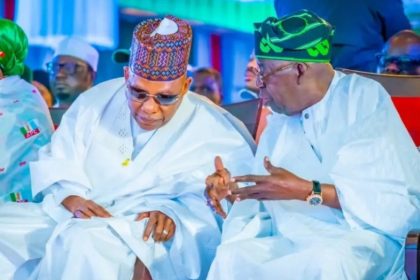
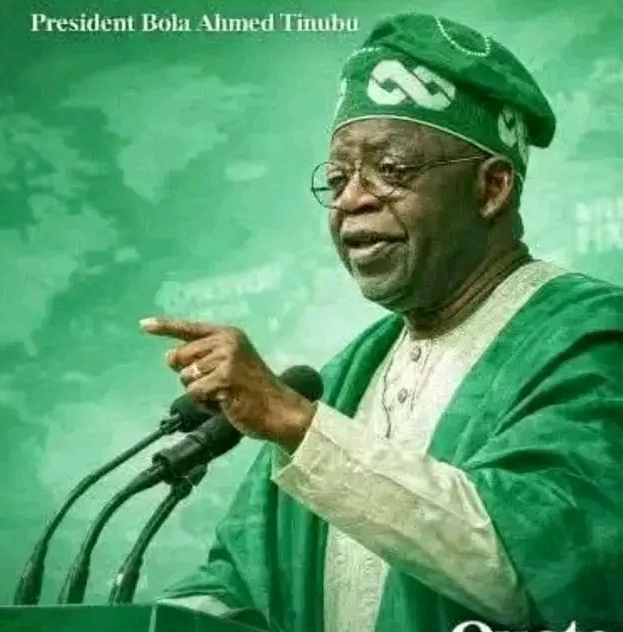
President Bola Ahmed Tinubu has reaffirmed his commitment to the ideals of the National Democratic Coalition (NADECO), promising to implement long-awaited constitutional and governance reforms if granted a second term in the 2027 general elections. Speaking to veteran pro-democracy activists and NADECO members, Tinubu said his administration remains dedicated to restructuring Nigeria and strengthening true federalism.
The President recalled the sacrifices made during the pro-democracy struggles of the 1990s, when NADECO leaders and activists fought against military dictatorship following the annulment of the June 12, 1993 presidential election. He noted that although democracy was restored in 1999, the mission to build a balanced and equitable federation remains unfinished. According to him, his current administration is prioritizing economic recovery while laying the foundation for broader political reforms.
Tinubu assured the gathering that demands such as devolution of powers, fiscal federalism, and other structural changes would receive greater attention during a second term. He emphasized that these reforms align with his long-standing political beliefs and stressed that the government is carefully preparing the groundwork to ensure their smooth implementation without destabilizing the country.
NADECO has consistently advocated for far-reaching reforms, including state policing, judicial independence, and a review of the revenue-sharing formula to give producing regions more control over their resources. Political observers believe Tinubu’s latest remarks are aimed at consolidating support among pro-democracy groups and influential South-West political blocs ahead of the 2027 elections, while reinforcing his image as a long-time advocate of democratic restructuring.
However, opposition figures and civil society groups have reacted cautiously to the President’s promises, arguing that critical reforms should begin immediately rather than being tied to a future electoral mandate. Despite the criticism, the presidency maintains that stabilizing the economy remains its immediate priority, insisting that lasting political restructuring can only succeed on the foundation of a stronger and more stable economy.