By Chinedum Anayo | 9News Nigeria Exclusive
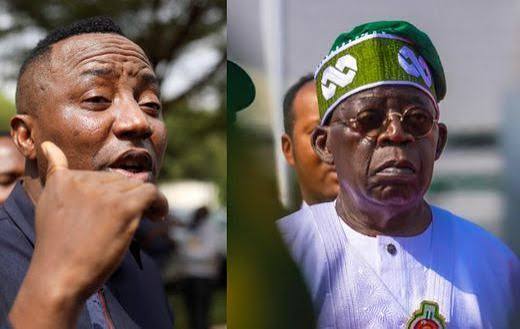
The African Action Congress (AAC), led by activist and politician Omoyele Sowore, has challenged President Bola Tinubu’s administration to demonstrate its commitment to multiparty democracy by granting the opposition party access to the State House Conference Centre for its political activities.
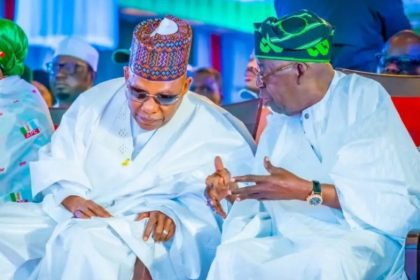
The request, reportedly contained in a letter that has attracted national attention, comes days after Tinubu inaugurated the All Progressives Congress (APC) Presidential Campaign Council at the State House Conference Centre on October 14, 2026.
Through this action, the AAC has raised a question that goes beyond the choice of location: can a President who leads a ruling party demonstrate the same openness towards political opponents ?
Omoyele Sowore and the African Action Congress (AAC) have every right to ask President Bola Tinubu to grant them access to the State House Conference Centre for their political activities.
Whether the President will agree is an entirely different question, and that is where politics comes in.
Section 40 of the 1999 Constitution of Nigeria guarantees the right to assemble freely and associate with others, including through political parties.
Section 39 also protects freedom of expression.
These provisions support the right of Sowore and the AAC to express their demands, petition the President and challenge what they perceive as unequal treatment.
However, having the right to make a request does not automatically create a legal entitlement to have it granted.
The Presidential Villa is a restricted government complex, and the authorities retain discretion over access to its facilities.
The AAC’s request reportedly follows the inauguration of the APC Presidential Campaign Council at the State House Conference Centre.
Nevertheless, should anyone expect Tinubu to make things easier for his political opponents?
That is where the reality of politics must be understood.
Tinubu is the leader of the ruling APC, while Sowore leads a party that challenges the political establishment.
Although the President has constitutional responsibilities that extend beyond his party, politics is also a contest for influence, power and political advantage.
There is, therefore, a difference between what the law permits an opposition party to request and what a sitting President has a political incentive to provide.
Tinubu is not automatically obligated to grant Sowore access to the State House Conference Centre simply because the APC held an event there.
Equally, the fact that Sowore is an opposition figure would not, by itself, justify discrimination if applicable rules require fair treatment.
Ultimately, the AAC can make its demand, defend it publicly and use the Presidency’s response to advance its argument about political inclusiveness.
Tinubu, in turn, can consider the request in light of security, administrative rules and other legitimate factors.
Whether he approves or rejects it, the episode illustrates a familiar tension in democratic politics: opposition parties demand equal treatment, while those in power must balance their public responsibilities with the realities of partisan competition.
Sowore has the right to ask. Whether Tinubu will oblige him is another matter entirely. And that is politics.