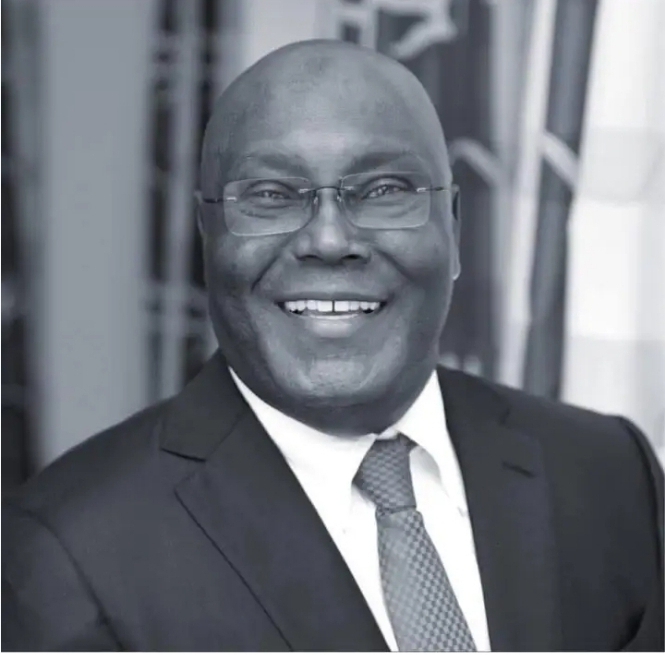
Former Vice President and 2027 presidential candidate of the African Democratic Congress (ADC), Atiku Abubakar, has unveiled a tougher security blueprint that promises an end to the era of “repentant terrorists” if elected president.
Under the plan, Atiku proposes amendments to Nigerian laws to classify organised banditry and kidnapping as terrorism, with offenders facing the full force of counter-terrorism laws.
The ADC policy document describes insecurity as “the single greatest threat to lives, livelihoods and national stability”, arguing that Nigeria needs a security system built around prevention, intelligence, swift justice and accountability.
A major component of the proposal is the establishment of Special Courts for Terrorism and Economic Terrorism, staffed by specially trained judges and operating under strict timelines to ensure the fast-tracked prosecution of terrorism-related offences.
The plan also adopts a strict no-negotiation stance with terrorists, while proposing measures to disrupt the financial networks supporting kidnapping and organised crime.
Atiku’s blueprint seeks to treat kidnapping as an organised economic system by targeting ransom payments, money laundering channels and individuals who finance or profit from the criminal enterprise.
The ADC also proposes the creation of Anti-Banditry and Kidnapping Special Units in every state command, comprising highly trained and mobile personnel.
At the national level, the plan calls for the creation of a Joint Terrorism Task Force that would bring the military, police and paramilitary agencies under a unified command structure for counter-terrorism operations.
It further proposes statutory national intelligence coordination, improved real-time intelligence sharing, early-warning systems and clearer operational boundaries among security agencies.
The blueprint extends beyond Nigeria’s borders, with Atiku proposing closer security cooperation with Niger, Chad, Cameroon and Benin through joint border patrols, coordinated operations and intelligence sharing.
The ADC says the plan would also address corruption that threatens national stability by introducing the concept of “economic terrorism”, covering large-scale corruption capable of undermining the country’s security and stability.
Atiku’s proposed reforms also include mandatory body cameras and recorded interrogations for police and paramilitary personnel, transparent arrest procedures and an independent Internal Affairs Agency to investigate misconduct.
The plan links insecurity to Nigeria’s food inflation crisis, proposing protected farming zones and increased security along agricultural corridors to enable farmers to produce, harvest and transport food without disruption.
According to the ADC, implementation would begin with legislative amendments, budgetary provisions and the immediate deployment of specialised security units if Atiku wins the 2027 presidential election.
The security blueprint is expected to form a major part of Atiku’s campaign as the 2027 presidential contest gathers momentum.