By Princely Onyenwe | News Desk
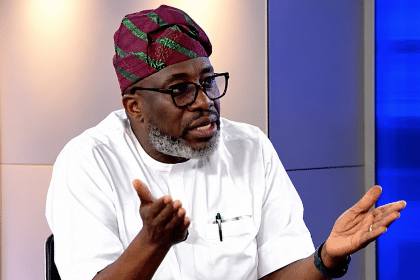
ABUJA, Nigeria — Corporate communication practitioner and social policy commentator, Nze Emmanuel Ehirim, has called for comprehensive electoral reforms ahead of the 2027 general elections, warning that credible polls remain Nigeria’s strongest safeguard against political violence, public distrust and post-election unrest.
Ehirim, in a commentary on electoral integrity and democratic accountability, said concerns over alleged electoral manipulation must be addressed through independent institutions, transparent procedures and strict enforcement of electoral laws rather than threats of retaliation.
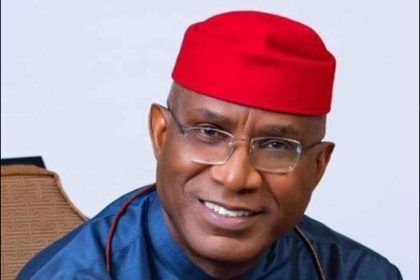
His position follows reported remarks by former Deputy Senate President Ovie Omo-Agege warning against electoral manipulation ahead of the 2027 elections.
While acknowledging the importance of resisting electoral malpractice, Ehirim argued that a “fire for fire” approach could deepen political instability and expose ordinary Nigerians to the consequences of violence.
He maintained that the priority should be building institutions capable of protecting the people’s votes and ensuring that election results reflect the genuine choices of voters.
The commentator identified the appointment process for the Independent National Electoral Commission (INEC) leadership as a critical area requiring reform, arguing that the involvement of the President in appointing the commission’s chairman raises concerns about perceived impartiality, particularly when the incumbent administration is seeking re-election.
Under Nigeria’s constitutional framework, the President appoints the INEC chairman, subject to Senate confirmation and consultation with the Council of State. Ehirim argued that a more transparent and participatory process would strengthen public confidence in the electoral umpire.
He proposed transparent recruitment procedures, public scrutiny and meaningful participation by independent professional and civic organisations in the selection process. He also called for protected funding and greater operational autonomy for INEC.
Drawing comparisons with the United Kingdom, Ehirim said Nigeria could learn from electoral oversight mechanisms designed to regulate campaign expenditure, scrutinise financial disclosures and sanction breaches of electoral rules.
He cited the regulation of campaign spending in Britain as an example of how political parties can be held accountable for financial reporting failures, including parties in government.
Ehirim, however, acknowledged that the British political system is not immune to financial influence or misconduct, stressing that Nigeria must develop an electoral environment in which credibility, policy proposals, integrity and performance carry greater weight than financial strength.
He called for stricter enforcement of campaign spending limits, transparent disclosure of political donations, independent auditing of campaign accounts and impartial prosecution of vote buying.
The commentator also urged electoral authorities to ensure the prompt publication of polling-unit results, independently verifiable collation procedures and stronger protection for voters, observers and electoral officials.
According to him, intimidation, result falsification and other forms of electoral malpractice must attract appropriate sanctions without partisan considerations.
He further stressed the importance of an accessible and impartial judiciary, noting that election tribunals and courts should serve as safeguards for electoral justice rather than become substitutes for preventing manipulation during the voting and collation processes.
Ehirim said Nigeria’s historical links with Britain’s parliamentary traditions should encourage the country to embrace democratic accountability and institutional integrity instead of concentrating on the formal conduct of elections without guaranteeing credible outcomes.
He warned that political leaders could avert avoidable crises by ensuring that declared results accurately represent the votes cast by citizens.
“The strongest guarantee of peace is a credible ballot, respected by winners and losers alike without exception,” he stated.
Ehirim is a corporate communication practitioner, community development advocate and social policy commentator whose areas of interest include governance, leadership, social justice, environmental accountability, oil and gas governance, security and sustainable development.
He advocates transparent leadership, equitable distribution of public resources and inclusive policies that prioritise citizens’ welfare through improved education, healthcare, infrastructure, employment opportunities and social justice.
For more inquiries on this news contact 9News Nigeria on +234 08036856526