The United States military launched precision airstrikes on three of Iran’s major nuclear facilities overnight.
This was the first direct U.S. assault on Iranian territory in decades.
The operation, coordinated closely with Israel, targeted the fortified nuclear enrichment sites at Fordow, Natanz, and Isfahan.
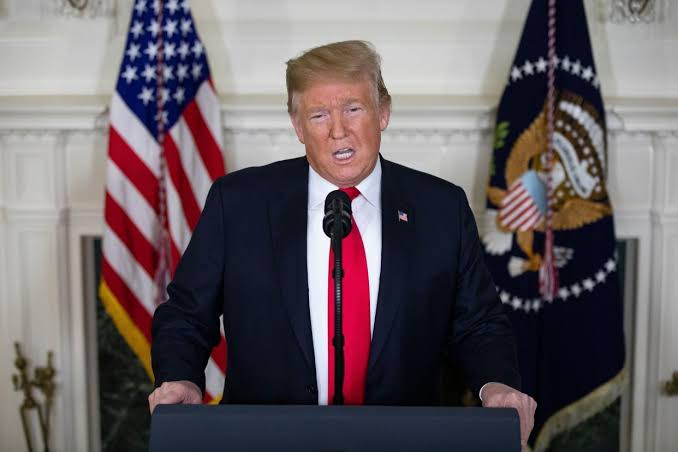
Announcing the offensive from the White House, President Donald J. Trump confirmed that the strikes were aimed at crippling Iran’s nuclear capabilities and forcing Tehran back to the negotiating table.
“Tonight, the United States took decisive and proportionate action to neutralize a growing threat to global peace.
“The nuclear infrastructure of the Iranian regime has been obliterated. We will not allow the world’s leading sponsor of terror to obtain nuclear weapons, not on our watch, not ever.” Trump stated in a televised address.
According to Pentagon sources, the strike involved B-2 stealth bombers deploying Massive Ordnance Penetrators, as well as precision-guided Tomahawk missiles.
The facilities, many of which were buried deep beneath reinforced concrete, were reportedly damaged extensively.
The U.S. action follows escalating tensions following weeks of Israeli airstrikes on Iranian targets, which began on June 13.
Iranian retaliatory missile launches raised fears of a bigger conflict.
U.S. officials said the operation was intended to send a “clear and final warning” to Iran and its allies.
The White House emphasized that all diplomatic channels had been exhausted before military options were employed.
Trump, who previously criticized past U.S. engagements in the Middle East as ineffective, said the operation was both “necessary and overdue.”
“We have sent a message—loud and clear: America will act when our security is at risk.
“Iran had a choice, and it chose defiance,” the president said.
Israeli Prime Minister Benjamin Netanyahu praised the U.S. for its “bold and resolute leadership”.
Meanwhile, the United Nations Secretary-General António Guterres called for restraint, warning that further escalation could plunge the region into open war.
However, Iran’s government has vowed to retaliate “at a time and place of its choosing,” raising fears of proxy warfare through groups in Iraq, Syria, and Lebanon.
In closing his address, Trump remained defiant:
“We do not seek war, but we will finish one if it is forced upon us. Let this serve as a warning: The United States has the will—and the capability—to defend itself and our allies.”