By Princely Onyenwe | Editorial Desk
Nigeria’s confirmation of a laboratory-confirmed Ebola disease case in the Federal Capital Territory on Tuesday, October 20, 2026, is a serious public health warning that demands decisive action, transparent communication and sustained vigilance. The Federal Government confirmed that a woman who recently arrived from Uganda on an international flight tested positive for the disease and is receiving medical care in isolation. Authorities have identified 44 close contacts and commenced contact tracing. While there is no justification for public panic, Nigerians must not mistake official assurances for a guarantee that the danger has passed.
The immediate challenge is to determine the full extent of possible exposure, identify and monitor everyone at risk, prevent further transmission and protect healthcare workers and patients who may have encountered the woman before her diagnosis. The effectiveness of Nigeria’s response will depend not on reassuring statements alone, but on the speed, coordination and transparency with which public health authorities execute their responsibilities. One confirmed case does not automatically constitute a wider outbreak, but it demands a response rigorous enough to prevent one.
Nigeria has confronted this threat before, and the lessons of 2014 remain relevant. An infected traveller from Liberia introduced Ebola into Lagos that year. According to the United States Centers for Disease Control and Prevention (CDC), Nigeria recorded 20 cases, comprising 19 laboratory-confirmed cases and one probable case, with eight deaths. Public health authorities identified and monitored 894 contacts across two states. Nigeria’s successful containment effort demonstrated the importance of rapid identification, isolation, contact tracing and coordinated emergency response. It remains evidence that an imported infection can be contained when public health systems act effectively.
However, past success must not become a substitute for present preparedness. The current outbreak, caused by the Bundibugyo virus, has developed into a major regional emergency. According to the European Centre for Disease Prevention and Control, the Democratic Republic of the Congo had recorded 9,552 confirmed cases and 4,602 related deaths as of October 19, based on data available through October 18. The outbreak had spread across eight provinces, while Kenya had reported eight confirmed cases, including one death, by October 20 in the same regional outbreak. These figures demonstrate the scale of the regional challenge, although they must not be confused with Nigeria’s own case count. The Federal Government has confirmed one case in Nigeria as of October 20.
The virus species involved is particularly important. Bundibugyo virus is distinct from the Ebola virus species responsible for the 2014 outbreak in West Africa. According to the World Health Organization, there is no approved vaccine or specific treatment for Bundibugyo virus disease. This makes early detection, effective infection prevention, supportive medical care and rigorous contact tracing especially important. The authorities must clearly communicate the laboratory findings relating to Nigeria’s case and explain the implications for treatment and containment without creating unnecessary fear.
The timeline surrounding the patient’s illness also deserves public scrutiny. Associated Press reporting on October 20 stated that the woman began experiencing symptoms on October 7 and was admitted to a private hospital in Abuja on October 11, before her Ebola diagnosis was confirmed. This interval raises legitimate questions about when Ebola was first considered, what infection-prevention measures were applied during her hospitalisation and how authorities are assessing potential exposure among healthcare workers, other patients and caregivers. These questions do not establish negligence or prove that transmission occurred in the hospital. They do, however, warrant a clear explanation from the relevant authorities because lessons from the timeline could help prevent further exposure.
The identification of 44 close contacts is an important beginning, not the end of the investigation. Authorities must establish the patient’s movements before isolation, assess possible exposure during her international journey and hospital admission, and determine whether healthcare workers, other patients, caregivers or travel contacts require monitoring. The number of contacts may change as investigations progress. An increase in the number of people under observation would not necessarily indicate further transmission; it could also reflect more comprehensive tracing. The critical question is whether all relevant contacts are identified, assessed and monitored according to established public health protocols.
Another important consideration is that Nigeria had already recognised the risk before this case was confirmed. On October 6, the Nigeria Centre for Disease Control and Prevention announced heightened vigilance following confirmation of an imported Bundibugyo Ebola case in Kenya. The agency said it had strengthened preparedness measures covering early detection, isolation and referral, laboratory diagnosis, infection prevention and control, contact tracing, risk communication and protection of healthcare workers. It also reported conducting a national Ebola preparedness simulation exercise to test response arrangements and identify gaps.
That prior preparation makes the current situation an important test of implementation. The question is not whether authorities knew that an imported case was possible; the NCDC had publicly acknowledged that risk. The question is how effectively the preparedness measures are functioning now that Nigeria has confirmed an infection. The government should explain how the case was detected, how the patient’s contacts are being managed, what support is being provided to the admitting hospital and whether any operational gaps identified during preparedness exercises have been addressed.
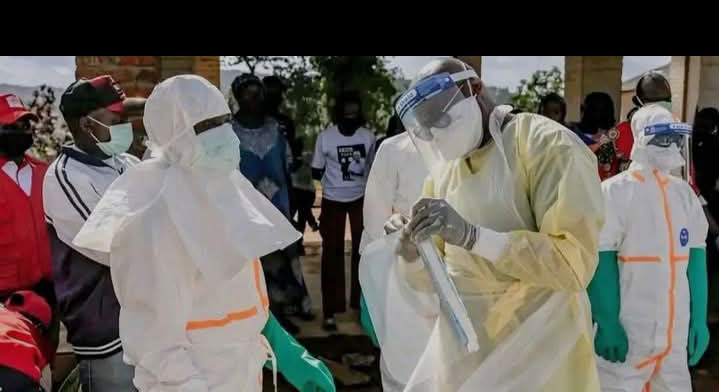
Healthcare facilities across the country must treat the government’s alert as an operational directive rather than a routine announcement. Hospitals need trained personnel, appropriate protective equipment, safe isolation arrangements, reliable diagnostic referral pathways and established procedures for handling potentially infectious materials. Private healthcare facilities must be fully integrated into the national response. Every facility should know how to report a suspected case, protect staff and patients, and arrange safe referral without unnecessarily exposing others.
Fever, weakness, headache, vomiting and diarrhoea can occur in several illnesses, including diseases common in Nigeria. Such symptoms alone do not establish an Ebola diagnosis. However, when a patient’s travel history, possible exposure and clinical presentation raise a legitimate concern, healthcare professionals must respond promptly and follow established protocols. Delayed recognition can expose other patients and health workers, while careless assumptions can create unnecessary fear and inappropriate treatment. Sound clinical judgement and effective infection prevention must work together.
The economic implications also demand attention. News of an imported Ebola case can generate anxiety among travellers, airlines, businesses, investors and international partners. Poor communication and exaggerated fears could disrupt travel, commerce and public confidence. An uncontrolled outbreak, however, could carry far greater human and economic costs. Nigeria must protect public health without introducing unnecessary restrictions unsupported by epidemiological evidence. Any additional travel or public health measures should be proportionate to the demonstrated risk and guided by competent authorities. The World Health Organization has advised against general restrictions on travel to or trade with affected countries, underscoring the importance of evidence-based responses rather than indiscriminate measures.
Government transparency is equally essential. Nigerians need timely updates on contact tracing, suspected and confirmed cases, laboratory findings and measures to protect frontline workers. Authorities should also explain how the patient’s hospital contacts and relevant travel contacts are being assessed, while protecting personal medical information. Information must be released consistently and responsibly. When official communication is slow or unclear, rumours can fill the vacuum, potentially undermining public cooperation at the very moment it is most needed.
The Federal Government is right to recall Nigeria’s successful containment of Ebola in 2014. Nevertheless, preparedness cannot depend on historical achievements alone. It requires sustained investment in disease surveillance, laboratory capacity, trained personnel, emergency coordination and infection prevention. Public health systems must be ready before a crisis begins, not assembled in haste after an infection has already crossed the country’s borders. The present case should therefore prompt not only immediate containment measures but also a review of whether existing preparedness arrangements are delivering the expected results.
Citizens also have responsibilities. Nigerians should practise regular hand hygiene, avoid direct contact with the blood and body fluids of anyone suspected of having Ebola, and seek guidance from public health authorities if they believe they have been exposed. Anyone who develops concerning symptoms after a possible exposure should avoid close contact with others and contact public health authorities before visiting a healthcare facility. According to the Federal Government’s October 20 statement, the NCDC’s toll-free line, 6232, is available around the clock for information and reports of suspected cases.
There must also be no room for stigma against the patient, people arriving from Uganda or travellers from other affected areas. Ebola spreads through direct contact with the blood or body fluids of a person who is sick with the disease, someone who has died from it, or contaminated materials. People do not transmit Ebola before symptoms begin. Public cooperation is therefore essential. Discrimination, intimidation and unverified allegations could discourage people from reporting possible exposure or cooperating with contact tracers, thereby weakening the response.
Ultimately, the FCT case is a test of Nigeria’s ability to turn experience and advance preparation into effective action. The government has announced one confirmed case and 44 identified close contacts, but investigations remain ongoing. The country must neither assume that a wider outbreak is inevitable nor declare the threat contained before the evidence justifies such a conclusion. Every relevant contact must be followed up, every suspected case assessed promptly and every healthcare facility equipped to respond safely.
Nigeria’s 2014 experience demonstrated that coordinated public health action can stop Ebola transmission. In 2026, that achievement must serve as a practical standard, not merely a reassuring reference in an official statement. The Federal Government, FCT authorities, NCDC and healthcare providers must demonstrate that surveillance systems, hospitals and emergency response teams can meet the present challenge with speed, transparency and discipline. The public deserves regular updates, healthcare workers deserve adequate protection, and every person potentially exposed deserves prompt and appropriate follow-up.
The question is not whether Nigeria has contained Ebola before, but whether the country will act decisively, communicate honestly and sustain the vigilance necessary to prevent this confirmed case from becoming a wider public health emergency.