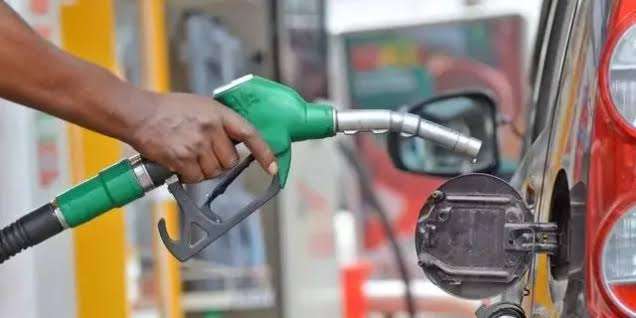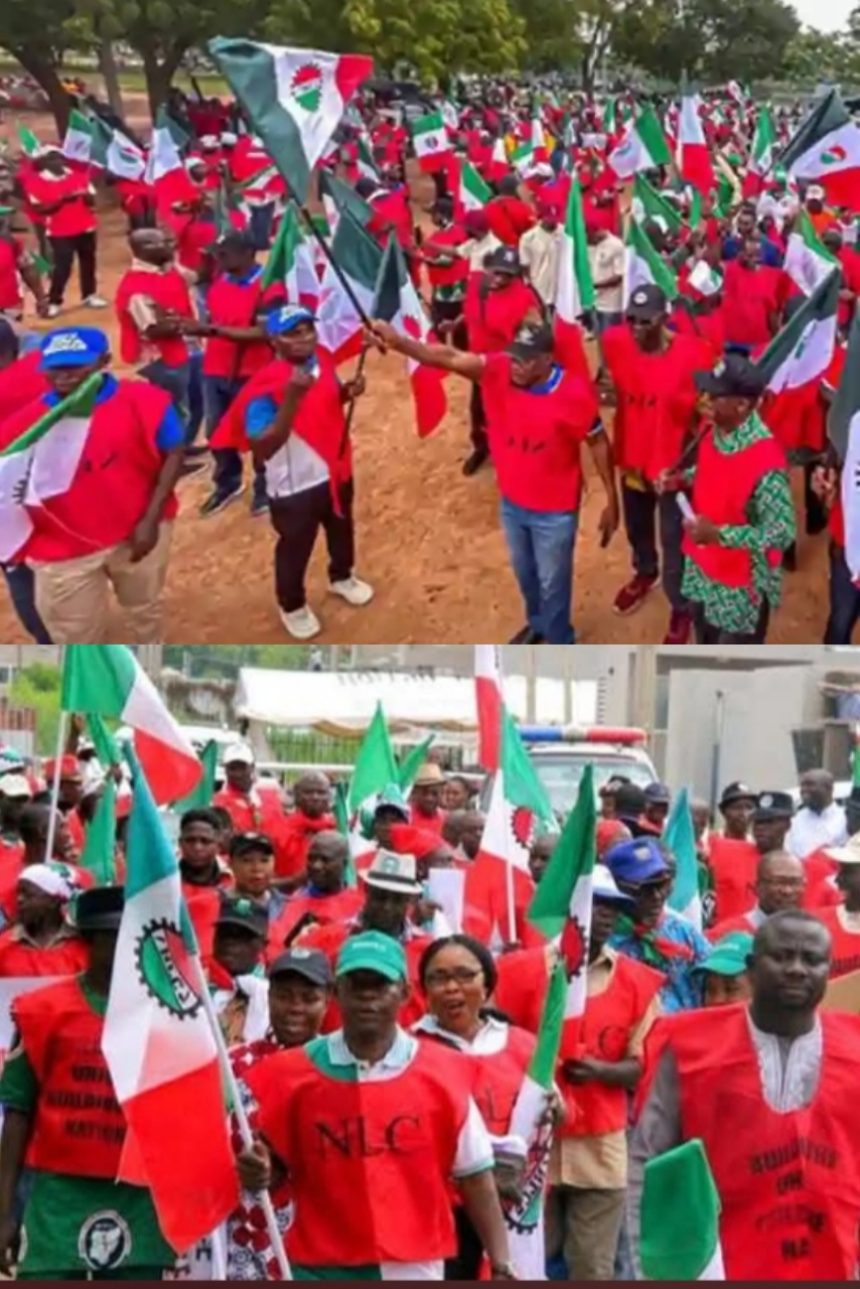
The Nigeria Labour Congress (NLC) has given the Federal Government a two-week ultimatum to reduce petrol prices to their level before the signing of the current national minimum wage in 2024.
The union also demanded the commencement of negotiations for a new national minimum wage before the end of October 2026, warning that Nigerian workers could no longer afford basic necessities.
The demands were contained in a communiqué issued after a joint meeting of the NLC’s National Executive Council (NEC) and Central Working Committee (CWC), signed by its President, Joe Ajaero.
The ultimatum takes effect from Friday, October 9, 2026. Labour warned that failure to meet its demands would compel the union to take further action.
Beyond reducing petrol prices and negotiating a new minimum wage, the NLC asked the government to implement the February 5, 2026, terms of settlement reached with the Joint Health Sector Unions (JOHESU).
It also demanded the implementation of the resolutions of the Joint Public Sector Negotiating Council (JPSNC).
Workers Face Unbearable Hardship
The NLC expressed concern over worsening economic conditions, blaming rising inflation, the depreciation of the naira and soaring living costs for the growing hardship faced by workers and other Nigerians.
According to the union, the current minimum wage has lost much of its purchasing power, leaving many workers struggling to afford food, housing, healthcare, transportation and education.
It insisted that a new minimum wage must reflect the actual cost of living and guarantee workers a decent standard of living.
The congress described further delays in wage negotiations as unacceptable, urging the Federal Government to begin the process before October ends.
Labour Demands Immediate Petrol Price Reduction
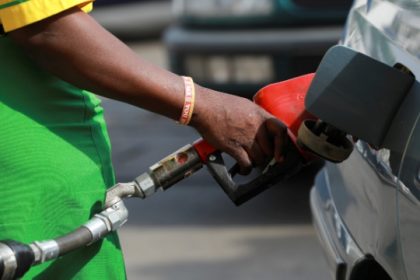
The union also called for urgent measures to reduce petrol prices, arguing that high fuel costs have pushed up transportation fares, food prices and the cost of other essential goods.
It accused the government’s petroleum pricing policies of worsening poverty and placing an excessive burden on ordinary Nigerians.
The NLC urged the Federal Government to work with relevant agencies to address the situation and provide relief similar to measures being adopted in other countries to cushion the effects of the energy crisis.
NLC Seeks Tax Relief, Wage Awards
The congress further demanded tax relief for workers, as previously agreed, and the immediate payment of wage awards to help offset the rising cost of living.
It described the measures as essential relief for workers struggling with increasing economic pressures.
The union argued that workers should not be expected to bear the burden of economic reforms without corresponding support from the government.
Union Warns of Possible Action
The NLC reaffirmed its commitment to resisting policies it considers exploitative and harmful to workers and the wider population.
It called on its affiliate unions and progressive allies to remain mobilised and prepared for decisive action if the government fails to address its demands.
The congress maintained that urgent intervention was necessary to ease the hardship facing Nigerian workers and advance its call for a fairer and more equitable society.Hardship: Obinna Ejianya Urges President Tinubu to Restore Fuel Subsidy