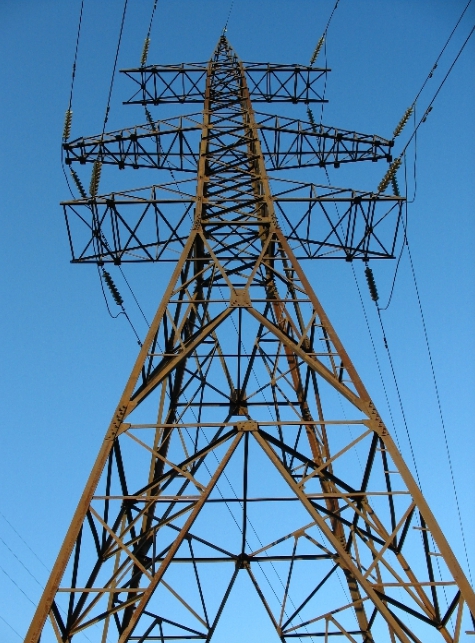
The Transmission Company of Nigeria (TCN) has rejected claims by the Abuja Electricity Distribution Company (AEDC) that a tripped transmission line caused the recent drop in power supply across the Federal Capital Territory.
TCN said the reduction was caused by low electricity generation on the national grid, not a transmission failure.
In a statement issued on Wednesday, the company described AEDC’s explanation as inaccurate and misleading.
It insisted that all 330kV transmission lines serving the Abuja axis remain operational and fully in circuit.
The clarification followed an AEDC notice dated August 26, 2026, informing customers that its power allocation had fallen from about 641MW to 314MW.
AEDC had attributed the decline to the alleged tripping of transmission lines supplying Abuja from the Shiroro Transmission Substation.
However, TCN said no such incident occurred on the 330kV transmission lines serving the Abuja region.
The company explained that the drop in AEDC’s allocation was a direct result of inadequate electricity generation nationwide.
It added that the load shedding being experienced across AEDC’s feeders was therefore not caused by any transmission line failure.
TCN urged stakeholders in the power sector to verify information before making public statements, warning that inaccurate claims could mislead electricity consumers.
The company reaffirmed its commitment to transmitting available bulk electricity efficiently while maintaining the stability and reliability of the national grid.
The latest dispute comes amid continuing challenges in Nigeria’s power sector, including grid instability and declining output from some generating plants.
The national grid suffered a partial collapse on August 23, with generation reportedly falling to as low as 1,132MW and forcing distribution companies to implement load shedding across their networks.