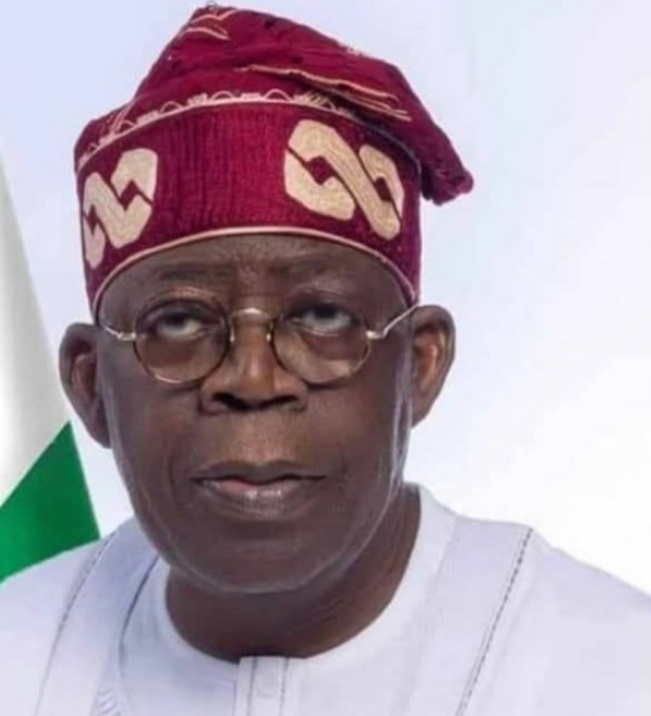
President Bola Ahmed Tinubu has defended his administration’s decision to remove fuel subsidy, saying the policy was a difficult but necessary measure that saved Nigeria from impending bankruptcy and laid the foundation for economic recovery.
The President spoke on Friday while receiving state governors who visited him to mark the Eid-el-Kabir celebration and the third anniversary of his administration.
Governors from several states, including Lagos, Nasarawa, Jigawa, Sokoto, Kebbi, Taraba, Niger, Ekiti, Delta, Ondo, Edo, Adamawa, Benue, Enugu, Ogun and Kogi, attended the meeting alongside the deputy governors of Borno and Kano states.
Tinubu acknowledged that the subsidy removal had caused hardship for many Nigerians but insisted that the policy was essential to avert fiscal collapse and restore stability to the economy.
He argued that fuel subsidy payments had become unsustainable over the years, draining public resources and benefiting only a small group while limiting investments in critical sectors.
According to the President, despite legal challenges and public criticism, the country has avoided bankruptcy and is beginning to witness positive outcomes from the reforms, including infrastructure development, agricultural growth and improvements in key economic indicators.
Tinubu commended state governors for supporting the reforms and encouraging citizens to remain patient through what he described as a period of painful but necessary economic adjustment. He added that cooperation between federal and state governments had helped stabilise the economy.
The President also noted that many states are now in a stronger financial position, with reduced dependence on federal interventions for salary payments. He expressed confidence that ongoing reforms in agriculture, housing, infrastructure and fiscal management would promote growth and strengthen food security.
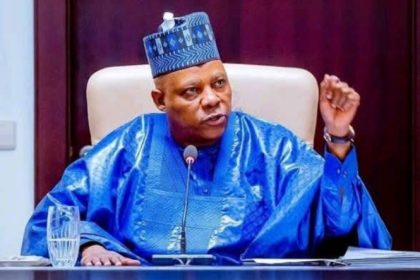
Vice President Kashim Shettima and governors led by Kwara State Governor AbdulRahman AbdulRazaq and Imo State Governor Hope Uzodinma praised the administration’s economic policies, saying the reforms had boosted state revenues, enabled infrastructure projects and helped steer Nigeria away from economic collapse.