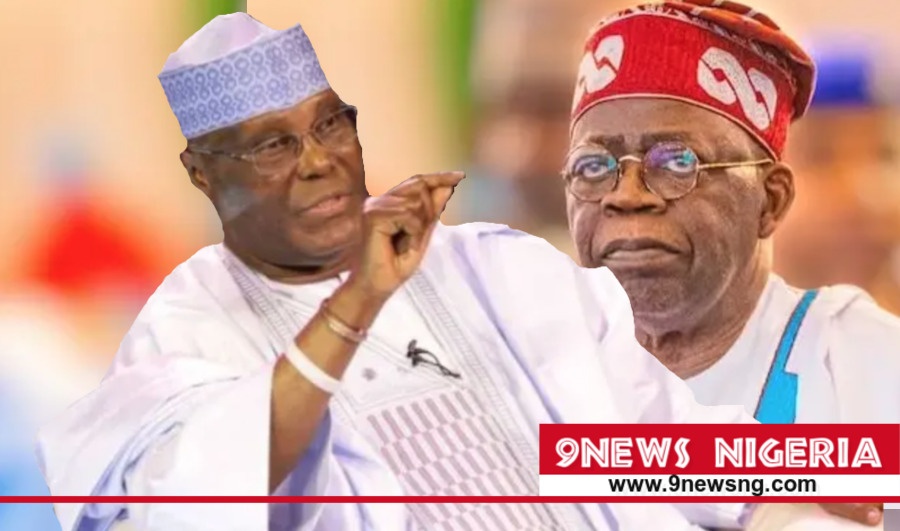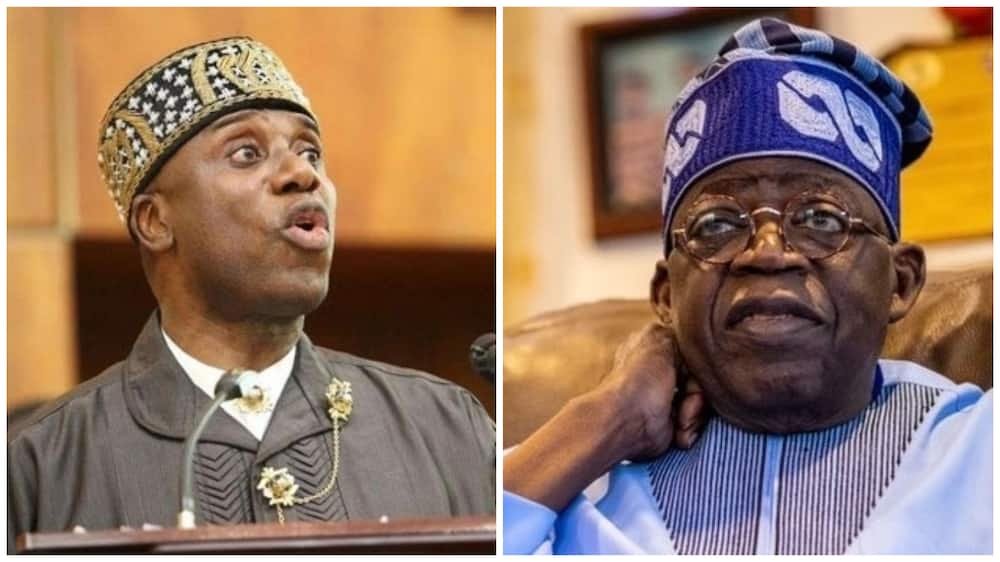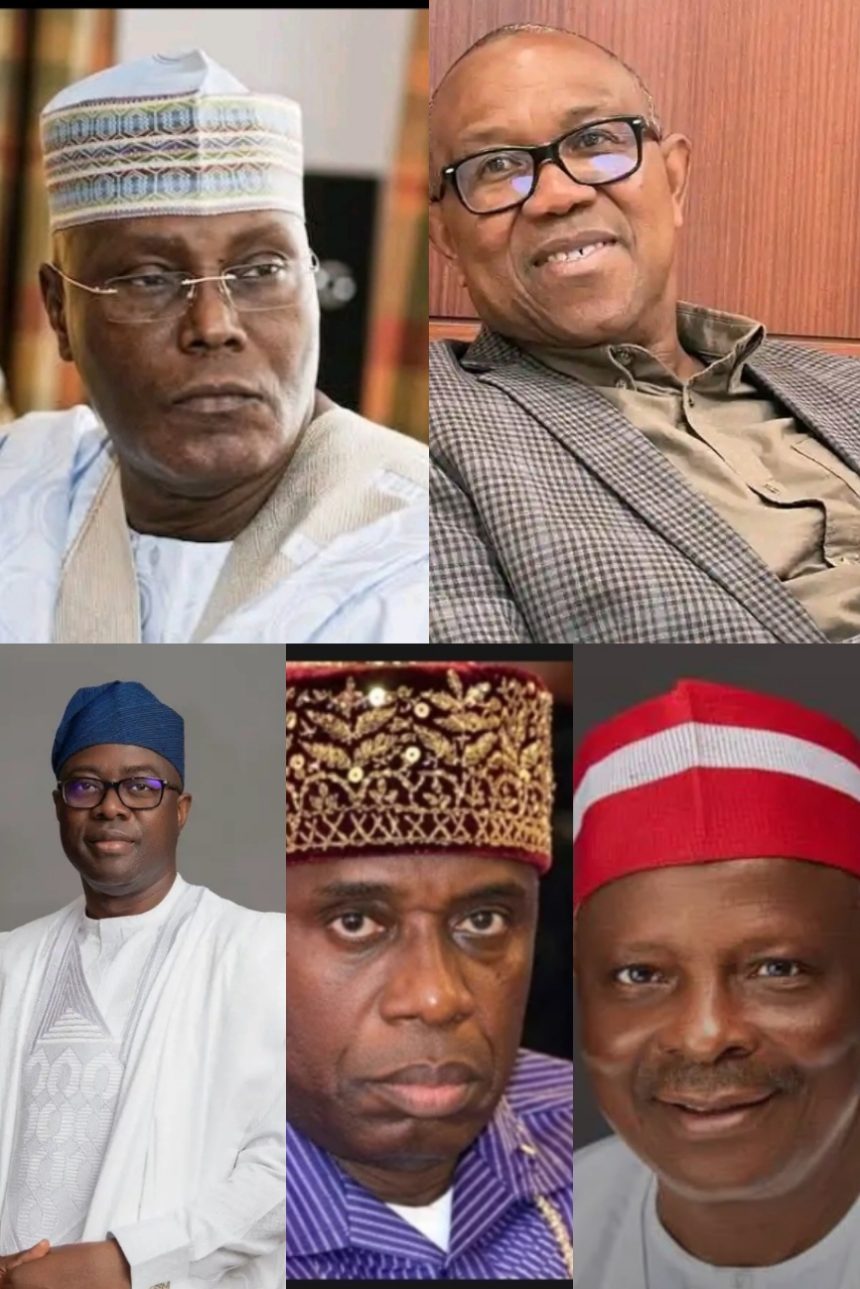
Opposition leaders, including former Vice President Atiku Abubakar, Peter Obi, Rabiu Kwankwaso and Oyo State Governor Seyi Makinde, are expected to meet in Abuja on August 18, 2026, as part of efforts to build a united front ahead of the 2027 general elections.
The meeting is being organised by the G100, a coalition of concerned Nigerians seeking greater cooperation among opposition parties.
The group said it had completed an initial round of consultations with leaders of six opposition parties.
Those consulted include Atiku Abubakar of the African Democratic Congress, Peter Obi and Rabiu Kwankwaso of the Nigeria Democratic Congress, representatives of the Allied Peoples Movement linked to Governor Seyi Makinde, as well as leaders of the Peoples Democratic Party, Peoples Redemption Party and Social Democratic Party.
In a statement issued on Monday and signed by Salihu Moh. Lukman on behalf of the G100, the group described the consultations as “frank, constructive and encouraging.”
The consultations followed an open letter released by the group on August 2, 2026.
The letter proposed what the G100 called the “Doctrine of Necessary Democratic Opposition,” which seeks to promote a credible opposition capable of challenging for political power.
The group said it kept the consultations away from the media to allow political leaders to freely discuss sensitive issues.
According to the G100, the discussions showed increasing recognition among opposition parties that cooperation would be crucial ahead of the 2027 elections.
It said the leaders acknowledged that opposition unity would require compromise, sacrifice and a willingness to place national interests above individual and partisan ambitions.
G100 Sets August 18 Opposition Summit
The G100 said it would convene a Summit of Opposition Parties in Abuja on Tuesday, August 18.
The summit is expected to provide an opportunity for the parties to discuss possible areas of cooperation and ways of achieving greater unity.
However, the group said it would not dictate the outcome or impose any political arrangement on the participating parties.
It said its role was to facilitate dialogue, build trust and create an environment for the parties to consider difficult issues surrounding cooperation and collective action.
The coalition stressed that any agreement reached must protect the legitimate interests of the participating parties while putting the interests of Nigerians first.
It argued that Nigeria’s democracy would benefit from a credible opposition capable of providing voters with a strong alternative in 2027.
The G100 warned that continued fragmentation among opposition parties could weaken efforts to challenge the ruling establishment.
The group said the consultations marked only the beginning of a difficult process that would require patience, courage and sacrifice from opposition leaders.
It reaffirmed its commitment to facilitating greater unity among Nigeria’s opposition parties in the interest of the country and its democracy