Senegalese pharmaceutical company Teranga Pharma has produced Drepaf, a locally generic version of hydroxyurea for sickle cell treatment, in a move aimed at reducing Africa’s dependence on expensive imported medicines.
The company responsible is Teranga Pharma, a laboratory based in Mbao, near Dakar. Its production represents a significant advance for a continent that accounts for approximately 801% of the world sickle cells anemia cases.
Until now, many African patients relied on medications imported from Europe and America, which were more expensive.
Drepaf was first marketed in November 2025, although its implementation is now gaining more attention both within and outside of Senegal.The treatment is available in doses of 500 milligrams for adults and 100 milligrams for children.
Teranga Pharma notes that hydroxyurea can reduce painful crisis and hospitalizations, as well as decreased the need for transfusions., as the price also represents a significant advantage over some imported alternatives.
The initiative has received approximately $7.1 million funding and sums to progressively expand.
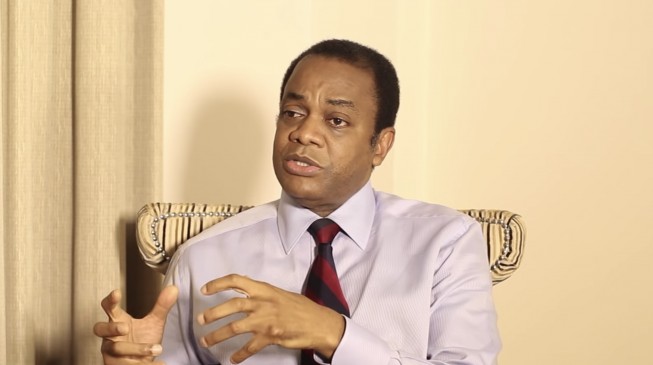
Teranga Pharma CEO, Mouhamadou Sow, said his company is producing generic version of hydroxyurea, the gold standard in sickle cell treatment.
“Africans do not have access to the active ingredient. So, the first key point is the Teranga Pharma has enabled Senegalese and Africans to gain access to this molecule”, he said.
Before the company developed Drepaf – the generic hydroxyurea drug – if a person was unable to obtain or afford imported medicine, no local solution was available.
“Doctors often had to treat the consequences of the disease rather than addressing its root cause, the red blood cells.
“It was launched in November 2025, and is available in 500mg doses for adults and 100mg doses for children, with the goal of “reducing the crisis threefold”, he said.
The laboratory says it is already working with Burkina Faso, Guinea and Ivory Coast, and that it has received requests from the Democratic Republic of Congo, Gabon, and Cameroon as it aims to meet demand from the entire sub-Saharan continent by 2030.
Sickle cell anemia is an inherited disease that deforms red blood cells, impairs oxygen transport, and can cause severe pain and fatigue .
-9News Nigeria.
.