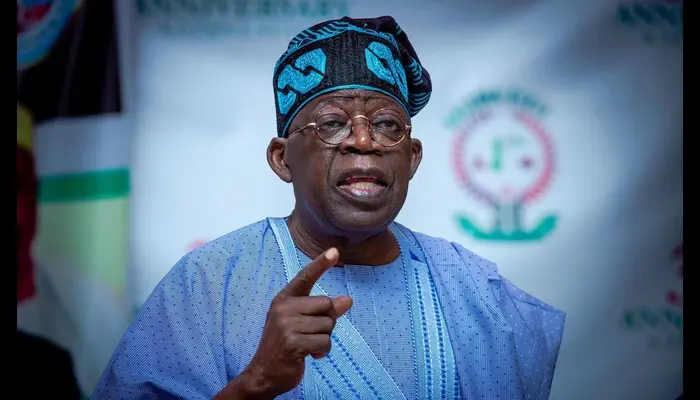
President Bola Ahmed Tinubu has undertaken sweeping reforms in the petroleum industry, dismantling entrenched structures and reshaping the governance of oil resources.
From the controversial fuel subsidy removal to the restructuring of the Nigerian National Petroleum Company Limited (NNPC), Tinubu has positioned himself as the first Nigerian leader in decades willing to confront the deep-rooted challenges in the oil sector.
Step 1: Ending the Era of Subsidies
Tinubu’s inaugural pronouncement in May 2023, “fuel subsidy is gone”, set the tone for reforms that would reverberate through the economy.
Though the policy resulted to nationwide protests and inflationary pressures, the administration has defended the decision as a necessary sacrifice to curb corruption, free up billions in government revenue and redirect funds toward infrastructure, education and healthcare.
Step 2: Redefining Oil Governance
In 2025, Tinubu deepened the reforms by moving to strip the NNPC of its dominant powers in awarding oil contracts.
For years, the company acted as both player and regulator, raising global concerns over conflicts of interest.
Under the new proposal, the Nigerian Upstream Petroleum Regulatory Commission (NUPRC) is to take over contract management, with NNPC confined to core commercial operations.
Further analysis, indicate that this shift could boost transparency, attract fresh investment and reassure international partners wary of Nigeria’s opaque petroleum governance.
Step 3: Boardroom Overhaul at NNPC
In parallel, Tinubu reconstituted the board of the NNPC, bringing in technocrats and private-sector veterans to strengthen corporate governance.
Insiders describe the shake-up as part of a broader strategy to professionalize the national oil giant, reduce political interference and align with global best practices for state-owned energy companies.
The administration has also turned its attention to gas development and clean energy. Under the “Decade of Gas” agenda, Tinubu has championed gas commercialization projects, while pushing for investments in Compressed Natural Gas (CNG) to power vehicles and industries.
Officials frame this as both an economic necessity and a climate-conscious pivot, ensuring Nigeria remains relevant in a rapidly changing global energy market.
However, critics argue that Tinubu’s petroleum reforms, while ambitious, have inflicted severe short-term pain.
Fuel prices have more than tripled since subsidy removal and the anticipated cushioning measures have lagged, leaving millions of Nigerians struggling with skyrocketing living costs.
Transparency campaigners also warn that institutional reforms must be backed with strict enforcement to prevent a recycling of old practices under new names.
“No president since 1999 has dared to touch the petroleum sector like this,” one senior industry expert told (9News Nigeria).
Tinubu’s gamble on petroleum reforms may define not only his presidency but Nigeria’s economic trajectory for decades to come.