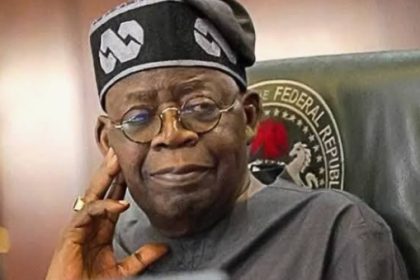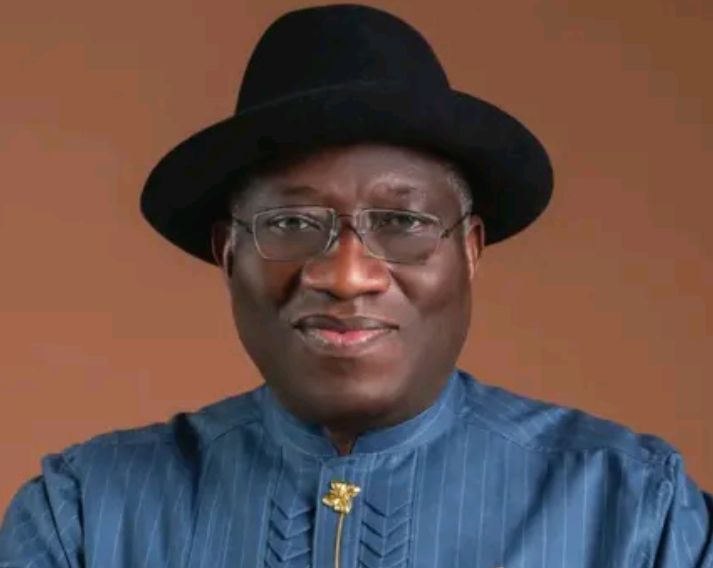
The Presidency has come under scrutiny after releasing a strongly worded statement questioning former President Goodluck Jonathan’s eligibility and record ahead of the 2027 presidential election. While some of the figures cited in the statement are backed by official data, others are either exaggerated, misleading, or unverifiable.
In the statement, signed by Bayo Onanuga, Special Adviser to President Bola Tinubu on Information and Strategy, Jonathan was accused of leaving the economy in ruins, depleting foreign reserves, and presiding over corruption scandals.
By contrast, the Presidency claimed Tinubu has “reset the economy” through bold reforms.
What the Data Shows
Foreign Reserves:
The Presidency alleged Jonathan inherited $66 billion in 2010 but left office in 2015 with reserves below $30 billion. Independent data shows he inherited closer to $40 billion in reserves, not “over $50 billion,” and left around $28.6 billion. FactCheckHub and Arise TV both confirm these figures.
Excess Crude Account (ECA):
The statement claimed Jonathan reduced the ECA from $20 billion to $2 billion. While the account did fall sharply, independent verification of the exact $2 billion figure is difficult. Disputes over ECA management were widespread during Jonathan’s tenure.
Economic Indicators under Tinubu:
Onanuga cited GDP growth of 4.23% in Q2 2025, a foreign reserves level of $42.03 billion, and inflation easing to 20.12% in August 2025. All three figures are confirmed by the National Bureau of Statistics and the Central Bank of Nigeria.
Naira Stability and Investor Confidence:
The Presidency’s claim that the naira has “virtually stabilised” and that investor confidence has fully returned is harder to substantiate. While reserves are stronger and inflation is declining, currency volatility and cost-of-living pressures remain. Experts warn that recovery is uneven.
Corruption Allegations:
The statement accused Jonathan’s administration of frivolous spending and diversion of funds, citing the arms procurement scandal involving then-National Security Adviser Sambo Dasuki. These allegations are documented, though the broader claim that “all key indicators declined” under Jonathan is overstated.
The Presidency is correct on several current economic figures but oversimplifies Nigeria’s economic history under Jonathan while painting an overly rosy picture of Tinubu’s record.
The real picture is more nuanced: Jonathan left office amid falling oil prices and reserve pressure, while Tinubu’s reforms have delivered measurable gains alongside persistent challenges.