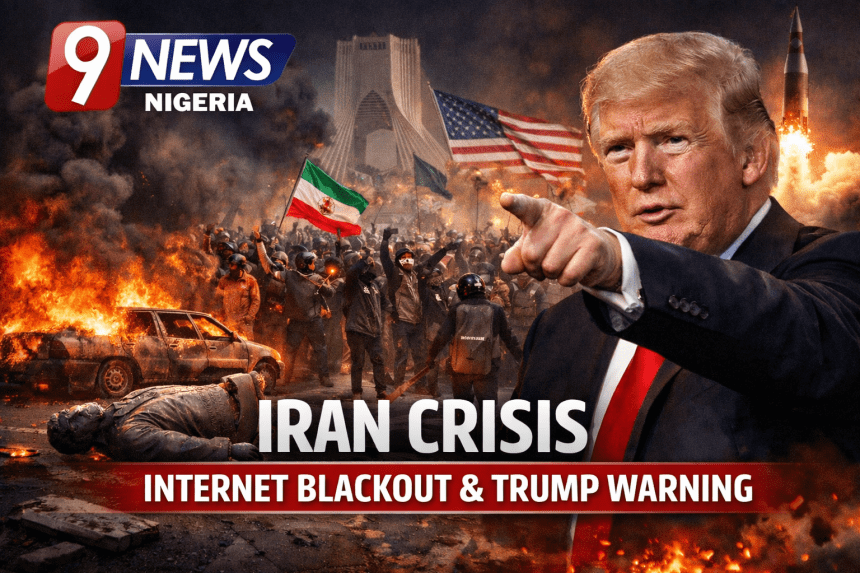
Iran has imposed a nationwide blackout of internet and telephone services as anti-government protests intensify across the country, in one of the most serious waves of unrest Tehran has faced in years.
The demonstrations began in late December 2025 in Tehran’s Grand Bazaar and quickly spread to all 31 provinces. They were initially driven by economic grievances, including skyrocketing inflation, a sharp depreciation of the Iranian rial, rising food and medicine prices, and frustration over living conditions. Over time, many protests have transformed into broader political demonstrations demanding systemic change and greater freedoms.
According to human rights groups and monitoring organisations, dozens of protesters have been killed and thousands detained as security forces attempt to suppress the unrest. Videos and limited reports emerging before communication was cut show scenes of clashes in Tehran and other cities, chants against the theocratic leadership, and symbolic acts of defiance — including the toppling of statues of prominent regime figures.
In a deliberate move to restrict information flows and hinder coordination among demonstrators, authorities shut down internet access and mobile phone communications nationwide on January 8, 2026. Monitoring groups report that the blackout is broad and comprehensive, affecting mobile networks and wider connectivity. This follows a pattern of digital censorship used by the Iranian government during previous waves of dissent.

The blackout has significantly hampered independent reporting on the ground, making it difficult to verify real-time developments inside Iran. However, social media posts from before the shutdown captured large crowds in streets, burning vehicles, and anti-government slogans in multiple cities.
Trump’s Warning and Tehran’s Response
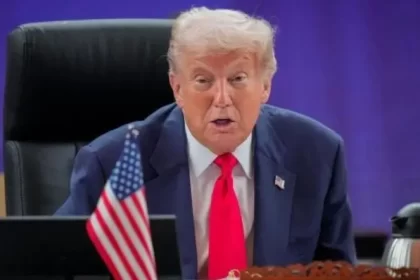
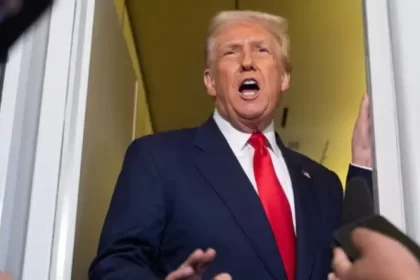
Amid the unrest, former U.S. President Donald Trump issued a stark warning to Tehran, stating that if Iranian authorities violently suppress peaceful protesters, the United States would “hit them very hard” and intervene to protect demonstrators. He pledged support for the Iranian people and signalled that Washington was prepared to respond if the situation deteriorated further.
Trump’s comments have been rejected by Iranian leadership. Supreme Leader Ayatollah Ali Khamenei has accused protesters of acting as “rioters” and alleged they are doing so to “please Trump,” framing the unrest as influenced by foreign powers. State media have repeatedly blamed the United States and Israel for instigating the demonstrations, terms such as “terrorist agents” have been used to describe demonstrators.
Khamenei has reiterated that the regime will not back down in the face of foreign pressure and signalled that authorities may escalate measures against those he labelled as saboteurs or rioters.
Human and Political Toll
Human rights organisations report that at least 40-plus protesters, including minors, have been killed, with thousands more detained by security forces during the crackdown. Arrests have been carried out nationwide, and there are reports of forceful actions, including raids on hospitals and the detention of wounded demonstrators and medical staff.
Reza Pahlavi, the exiled Crown Prince of Iran, has called for increased civil disobedience and urged Western governments to pressure Tehran and help restore communication channels for Iranians.
The current crisis marks a significant escalation of anti-government sentiment in Iran and poses one of the toughest challenges to the country’s leadership in years, sharply testing Tehran’s domestic control and its relations with global powers.
9News Nigeria – International correspondent