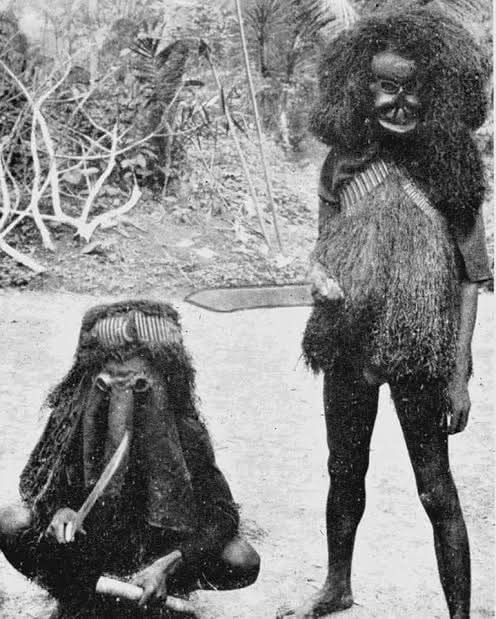
In Nigerian popular culture, the name Ojuju Calabar instantly stirs a mixture of fascination and fear. Parents have long used it as a bogeyman story to caution restless children, and contemporary musicians and writers continue to reference it as a symbol of mystery. Yet behind this modern myth lies a much older tradition—the sacred Ekpo masquerade of the Ibibio, Annang and Efik peoples of today’s Cross River and Akwa Ibom States.
Roots in the Ekpo Society
The Ekpo society is an ancient all-male institution that has shaped the spiritual and political life of these communities for centuries. During annual “Ekpo seasons,” members perform masked rituals that represent the presence of ancestral spirits.
These masquerades are far more than entertainment. They serve to:
Uphold communal law: Ekpo members act as moral and judicial authorities, settling disputes and ensuring social discipline.
Preserve ancestral connection: The masks and costumes symbolise departed ancestors and the unseen world, reinforcing respect for tradition.
Create awe and deterrence: The fearsome appearance of the masks was intended to inspire reverence and keep order, especially among those outside the society.
Ethnographic records and museum collections, such as those held by the Sainsbury Centre for Visual Arts, document the intricate masks and their role in sustaining communal law and spiritual balance.
From Sacred Ritual to Folklore
When colonial observers and Christian missionaries encountered the Ekpo masquerades in the nineteenth and early twentieth centuries, many misread the rituals as sinister or diabolical. Over time, outsiders—and later even neighbouring communities—began to describe the masked figures in terms of fright rather than reverence.
This misunderstanding gradually gave birth to the phrase “Ojuju Calabar.” In everyday usage it became shorthand for a terrifying being from Calabar, invoked to warn children or to dramatise fear. The name spread beyond the Ibibio and Efik homeland and entered southern Nigerian popular speech.
Modern Popular Culture
In the twenty-first century, Ojuju Calabar has moved from oral cautionary tale to pop-culture reference:
Music: Nigerian singer Atela released a 2016 single titled Ojuju Calabar, using the phrase as a metaphor for mystery and emotional tension.
Media commentary: Newspapers and opinion writers occasionally use “Ojuju Calabar” as a figure of speech for corruption, danger or hidden forces in society.
These modern references bear little resemblance to the original sacred role of the Ekpo masquerade, but they show how a local tradition can be re-imagined and kept alive in new forms.
Cultural Significance
The journey from Ekpo masquerade to Ojuju Calabar illustrates how cultural symbols change meaning when viewed through new social and historical lenses. What began as a solemn embodiment of ancestral authority has become a national metaphor for fear and mystery.
For the Ibibio, Annang and Efik peoples, the Ekpo society remains a respected guardian of tradition. For wider Nigerian society, the name Ojuju Calabar is now a vivid example of how folklore and misunderstanding can transform sacred ritual into enduring legend.
Sources: “Ojuju Calabar”