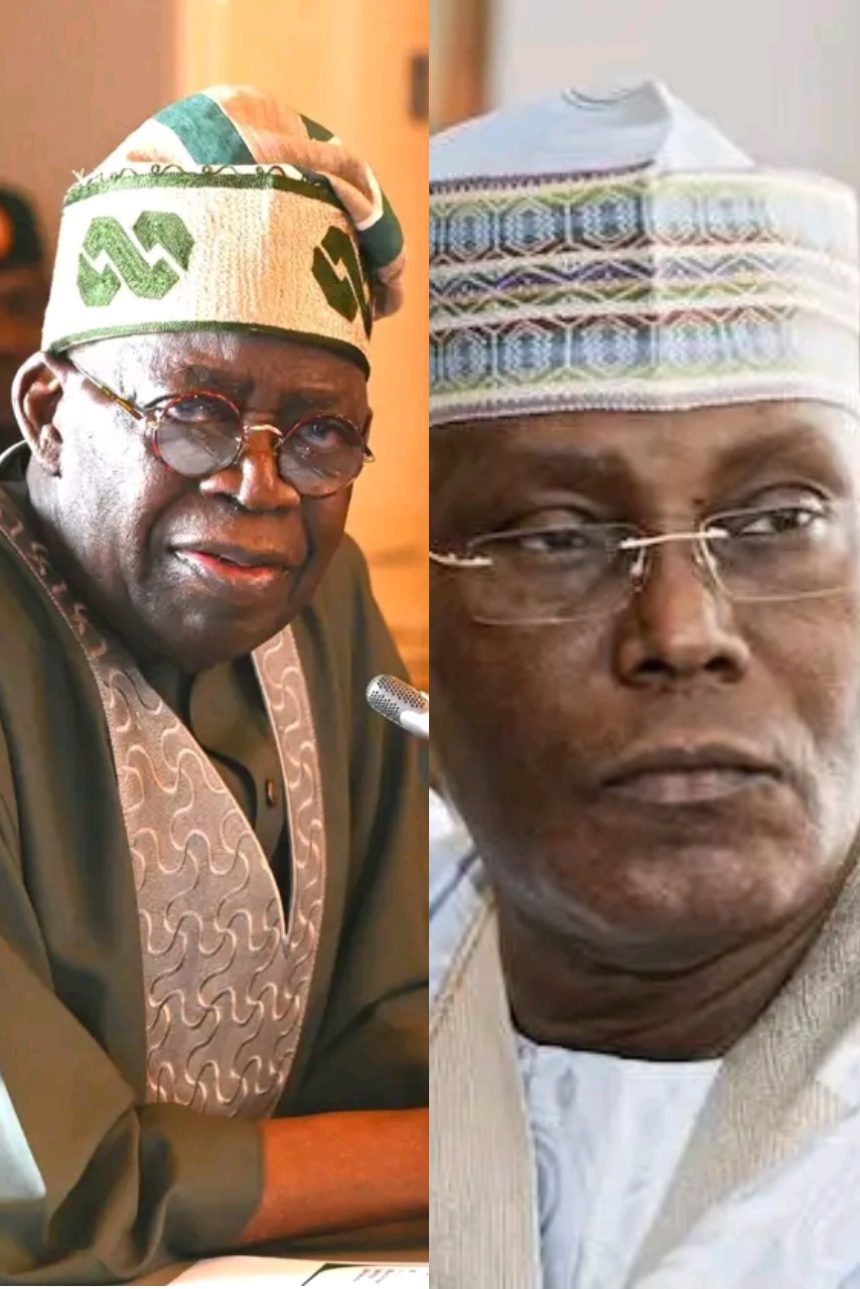
The Presidency has dismissed criticisms by former Vice President Atiku Abubakar over President Bola Tinubu’s economic reforms, insisting that Nigeria’s economy is recovering and that the administration’s policies are producing measurable results.
In a statement issued on Sunday, Special Adviser to the President on Information and Strategy, Bayo Onanuga, accused Atiku of relying on outdated 2024 economic data to judge reforms that have continued to evolve in 2026.
According to the Presidency, the opposition’s assessment ignores improvements recorded since the early stages of the reforms, including growth in Nigeria’s dollar-denominated and naira GDP after the exchange rate adjustments.
Responding to claims of excessive borrowing, the Presidency argued that Nigeria’s debt level remains sustainable. It said the country’s debt-to-GDP ratio is about 40 per cent, while the debt service-to-revenue ratio has dropped from nearly 100 per cent in 2022 to below 60 per cent under the Tinubu administration.
The statement maintained that government borrowings are being used for infrastructure and other productive investments rather than recurrent expenditure, stressing that fiscal sustainability should be judged by economic capacity and revenue generation.
Defending the removal of petrol subsidy, the Presidency said the policy has significantly increased revenues shared among the federal, state and local governments. It added that many states are now investing more in roads, healthcare, education and other public services due to improved allocations.
On tax reforms, the government rejected allegations that Nigerians are being overtaxed. It explained that the reforms are designed to reduce the burden on low-income earners and small businesses while ensuring wealthier individuals and profitable companies pay their fair share.
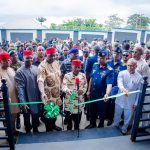
The Presidency also highlighted achievements in the health sector, saying more than 3,000 primary healthcare centres have been upgraded, over 78,000 frontline health workers retrained, and free caesarean section services expanded to over 100 public hospitals for indigent women.
It further stated that three world-class cancer centres are now operational in Kubwa, Enugu and Katsina, while cancer treatment facilities in 13 states have been expanded.
In the education sector, the government said over 11,000 projects have been executed through the Universal Basic Education Commission in collaboration with state governments.
It added that the Nigerian Education Loan Fund (NELFUND) has supported more than 1.64 million students with over ₦303 billion in tuition and upkeep loans across about 300 higher institutions.
The Presidency also pointed to ongoing investments in highways, rail lines, airports, power infrastructure, housing and digital connectivity, describing them as key drivers of economic growth and private sector development.
Reacting to Atiku’s claim of a ₦7.98 trillion oil windfall, the government described the allegation as inaccurate. It argued that oil revenues are affected by production levels, operational costs, loan-backed crude sales and existing supply contracts, not crude prices alone.
The statement maintained that recent reforms have improved public revenue, strengthened financial management and placed Nigeria on a path of long-term economic stability.
While acknowledging that the reforms have imposed hardships on citizens, the Presidency insisted that the most difficult phase has passed and expressed confidence that inflation will continue to decline.
The government also highlighted ongoing social intervention programmes, including the NG-CARES, HOPE and SOLID initiatives, alongside cash transfers to 15 million vulnerable households, as part of efforts to cushion the impact of the reforms.
The Presidency concluded by urging Nigerians to assess the Tinubu administration based on long-term economic outcomes rather than the initial pains of the reform programme, insisting that the country is moving toward sustained growth and fiscal stability.