The United States secretly conducted a four-month operation to detect and clear naval mines from the Strait of Hormuz, as Washington sought to reopen the strategically vital waterway amid escalating tensions with Iran.
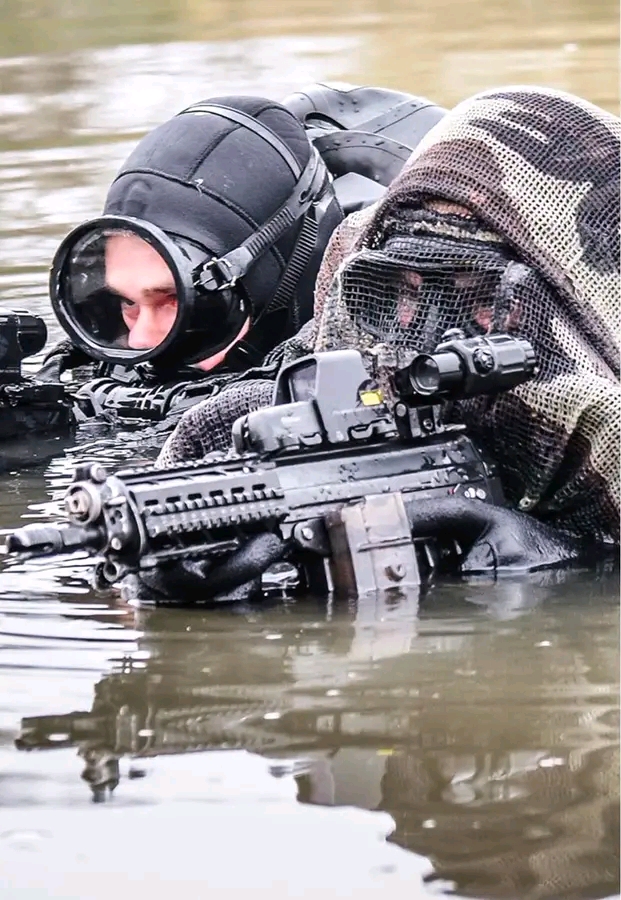
The operation, reported by the Financial Times, involved U.S. Navy special operations divers, robotic boats and specialised underwater vehicles equipped with sonar.
The mission was carried out largely at night to minimise the risk of attacks from Iranian forces.
Small teams reportedly approached suspected minefields in inflatable boats while unmanned vessels and underwater systems scanned the seabed for explosives.
When mines were located, divers moved in to attach explosive charges. In some cases, robotic systems could reportedly be used to detonate the mines remotely.
The operation was particularly dangerous because the Strait remained a potential conflict zone between the United States and Iran.
The reported mission followed an earlier U.S. announcement in April that American forces had begun preparations to clear mines from the waterway. U.S. Central Command said the operation was aimed at establishing a safe passage for commercial shipping.
The U.S. military subsequently said its forces had cleared Iranian sea mines from the main transit routes. CENTCOM commander Admiral Brad Cooper said in August that Navy divers and SEALs had removed the mines with support from other branches of the U.S. military.
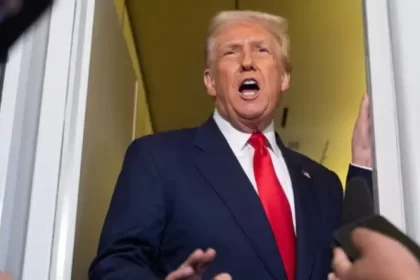
U.S. President Donald Trump also announced in August that all mines had been removed or detonated from the international waters of the Strait.
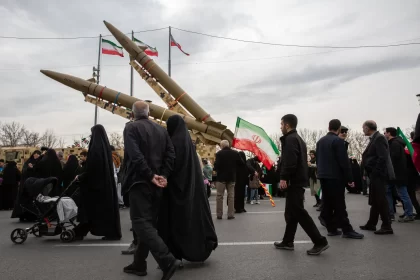
However, the mine-clearing operation does not necessarily eliminate the threat. Military experts have warned that Iran could potentially lay new mines, while the presence of missiles, drones and other military threats continues to make the waterway dangerous for commercial vessels.
The Strait of Hormuz is one of the world’s most important energy corridors, making its security crucial to global oil supplies and international shipping.
The covert U.S. operation therefore highlights the extent of the military risks surrounding the waterway and the lengths Washington has taken to keep the strategic passage open.