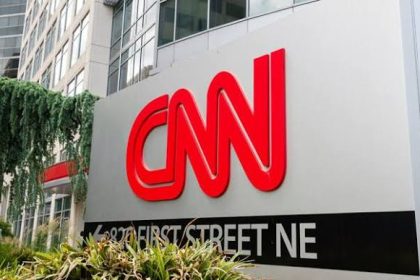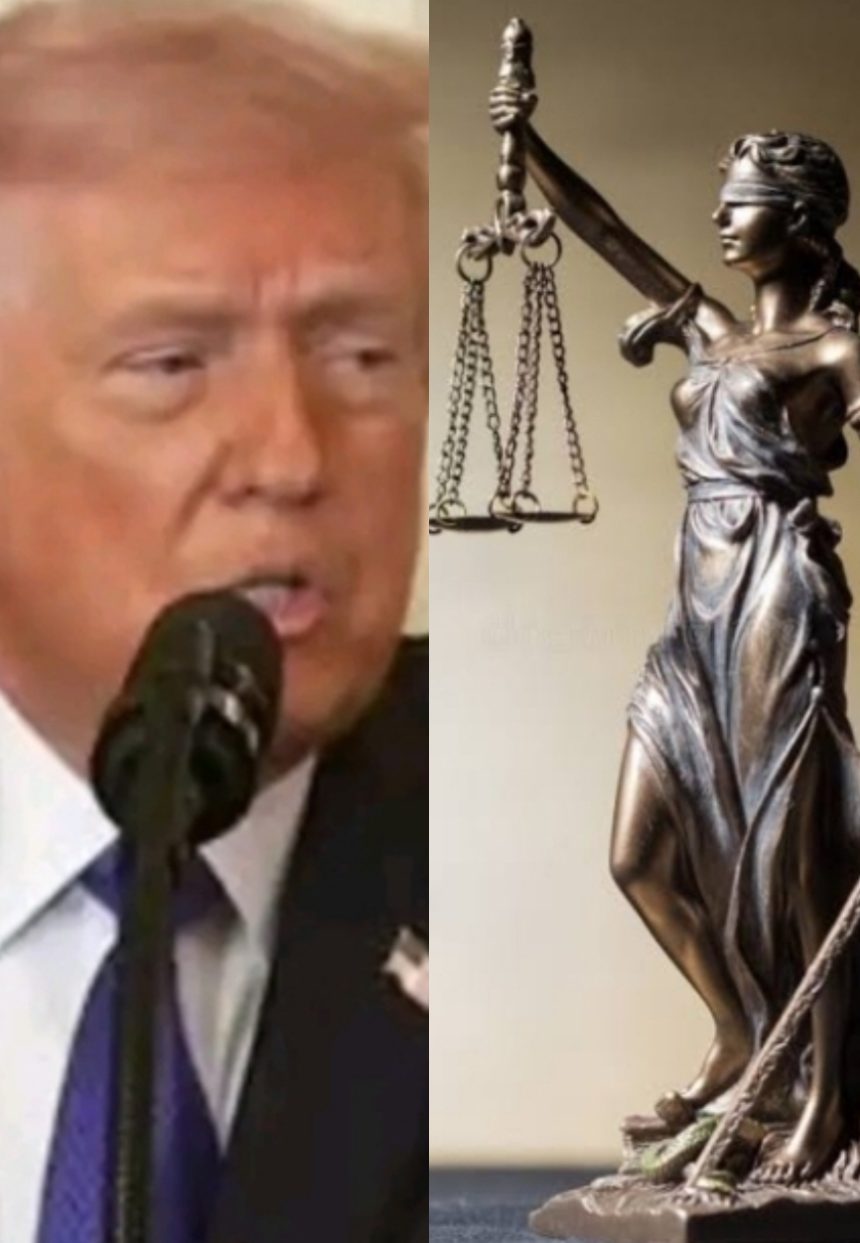
A US federal Judge Orders White House to Restore CNN, MS NOW, Politico Access has temporarily blocked President Donald Trump’s ban on CNN, MS NOW and Politico from the White House, ordering the administration to immediately restore their press credentials.
US District Judge Timothy J. Kelly of the District of Columbia issued a 14-day temporary restraining order on Thursday, September 24, 2026.
Kelly directed White House officials and their representatives to “immediately return, reinstate, and restore” the hard-pass credentials belonging to journalists from the three organisations.
The judge said the outlets were likely to succeed in their argument that their credentials had been revoked without constitutionally adequate due process.
“This is a high bar, but Plaintiffs have met it,” Kelly wrote in his ruling.
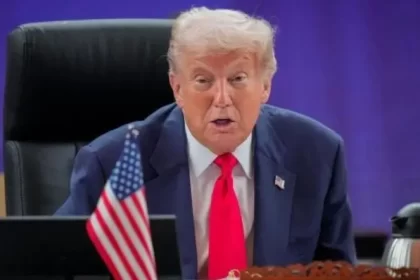
The case followed Trump’s September 18 announcement that CNN, MS NOW and Politico would be barred from the White House.
Trump accused the organisations of repeatedly reporting what he described as “FICTION and LIES.” The affected journalists subsequently had their White House credentials deactivated or confiscated.
The three media organisations sued the administration, arguing that the ban violated their constitutional protections, including First Amendment protections for freedom of the press and Fifth Amendment due-process rights.
During Wednesday’s hearing, Judge Kelly questioned whether the administration had followed the required legal process before revoking the journalists’ access.
Judge Rejects National Security Argument
The Trump administration defended the restrictions partly on national security grounds.
Justice Department lawyers argued that access to the White House is a privilege rather than a constitutional right and that the president has broad authority over media access.
Kelly, however, said the administration had not provided sufficient factual support for its national security justification.
“The record lacks factual support” for the claim that removing the journalists’ hard passes would protect national security or that restoring them would endanger national security, the judge wrote.
The judge also noted that the reasons initially given by Trump for the ban focused on the outlets’ reporting rather than national security.
Judge Kelly himself was appointed to the federal bench in 2017. The US Courts lists his appointment to the US District Court for the District of Columbia on September 18, 2017.
White House Reportedly Defies Court Order
The legal battle escalated further Thursday after journalists from CNN, MS NOW and Politico reported that they were still being denied entry to the White House despite the judge’s order.
The outlets said their reporters were repeatedly blocked from entering, raising questions over compliance with the temporary restraining order.
The White House’s response could now become another issue in the ongoing court proceedings as the judge’s order remains in force for 14 days unless modified or extended.
Major TV Networks Suspend Trump Coverage
The dispute has also triggered an unusual response from major American television networks.
ABC News, CBS News, Fox News, NBC News and CNN had been operating a rotating White House television pool, sharing video coverage of presidential events with other news organisations.
The five networks announced on September 21 that they would suspend the pooled coverage rather than allow CNN to be removed from its scheduled assignment.
In a joint statement, the networks said the public has an important interest in receiving accurate and independent information about government and that an administration should not restrict a news organisation because it objects to its reporting.
The suspension also affected coverage of Trump’s activities during the United Nations General Assembly in New York.
The dispute has therefore developed beyond a fight between the White House and three media organisations, becoming a broader legal confrontation over presidential control of press access, due process and the constitutional protections surrounding independent journalism.
The temporary order does not finally resolve the underlying lawsuit. It preserves access while the broader legal challenge proceeds.