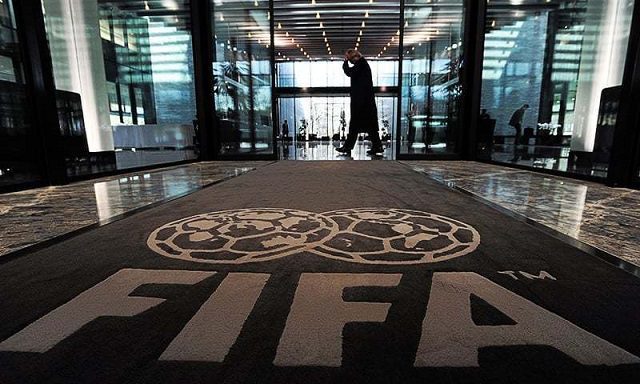
World football could be heading toward one of its biggest governance crises in decades after several European football associations threatened to boycott all FIFA competitions, including future FIFA World Cups.
This move follows a controversial proposal to commercialize the governing body’s flagship tournaments through private investment.
The unprecedented standoff follows a proposal championed by FIFA President Gianni Infantino to establish a new commercial entity, FIFA Forward Enterprise (FFE), which would manage the commercial rights of the FIFA World Cup and other major FIFA competitions.
According to a report by The Wall Street Journal, the proposal would see FIFA sell a 20 percent stake in the new venture to a consortium of private investors in a deal valued at approximately $20 billion.
The investment group is reportedly led by Thrive Capital, with JPMorgan Chase playing a role in structuring the transaction.
The proposal has sparked fierce opposition across European nations.
UEFA’s 55 member associations have reportedly agreed that they would boycott FIFA competitions if the commercialization plan proceeds, arguing that the move prioritizes financial interests over the integrity, independence and traditions of world football.
European football officials are said to be particularly concerned about allowing private investors to acquire a stake in competitions regarded as part of football’s global heritage and humanity’s inherent football tradition.
The opposition extends beyond Europe.
Officials within CONCACAF have also expressed concerns over the lack of consultation surrounding the proposal, while criticism has emerged from other football confederations and senior FIFA insiders.
The controversy intensified after Carlos Cordeiro, a senior adviser to FIFA President Gianni Infantino, resigned over the proposal.
According to reports, Cordeiro described the commercialization plan as “a bad deal for football,” citing FIFA’s strong financial position and questioning the need to hand part of its commercial assets to private investors.
Despite mounting criticism, FIFA insists the proposal is designed to generate significantly more revenue that would be redistributed among its 211 member associations.
According to the governing body, every national football association could receive up to $40 million over four years if the plan is approved.
The development is expected to strengthen football development around the world while FIFA retains overall control of the new commercial entity.
However, FIFA has dismissed claims that outside investors would influence sporting decisions, maintaining that football governance would remain firmly under FIFA’s authority.
Should UEFA carry through with its threat, the consequences for global football would be enormous.
European nations include many of the world’s strongest football teams and account for a significant share of the World Cup’s commercial value, television audiences and sponsorship appeal.
Their absence would fundamentally alter the prestige and competitiveness of FIFA tournaments.
Meanwhile, negotiations are expected to continue.