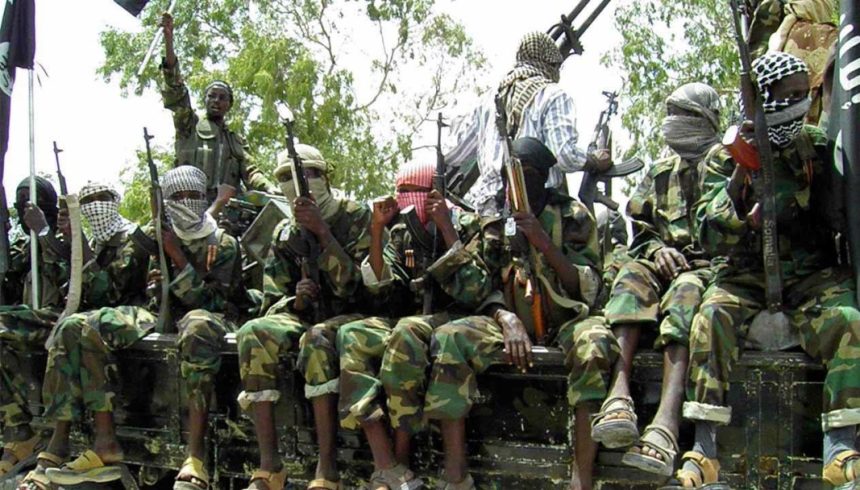
Nigerian soldiers fighting insurgency in the North-East have reportedly expressed concerns over an alleged move to deploy former Boko Haram members who have undergone rehabilitation into security operations.
The soldiers claimed that the Borno State government is encouraging the involvement of “repentant” insurgents in activities supporting military operations, a development they fear could create security risks.
According to reports, some troops are worried that the arrangement may expose sensitive military information and increase the possibility of sabotage or intelligence leaks during operations.
Sources within the military reportedly said some former insurgents who surrendered and pledged loyalty to Nigeria have been attached to local security groups working alongside troops in parts of Borno State.
The move is said to be linked to efforts to demonstrate the effectiveness of the state’s deradicalisation, rehabilitation and reintegration programme, which has faced criticism from some residents and security personnel.
Some soldiers reportedly remain doubtful about the commitment of certain former fighters, despite their participation in rehabilitation programmes and public surrender ceremonies.
One military source said troops were uncomfortable working closely with some of the former insurgents because of previous experiences involving leaked information and compromised operations.
The soldiers argued that trust remains a major challenge, especially because Boko Haram attacks in the past have raised concerns about possible insider information reaching active insurgent groups.
Another source claimed that some former fighters are still kept in separate locations within military facilities because of fears over possible connections with remaining terrorist elements.
The troops questioned why they should be required to rely on former insurgents during missions when many soldiers have lost colleagues and commanders in attacks linked to the Boko Haram conflict.
They called on the government to prioritise improved equipment, intelligence gathering, welfare support and better protection for soldiers currently engaged in counter-insurgency operations.
The concerns reportedly emerged shortly after the Borno State government reintegrated 720 former insurgents, alongside 992 spouses and 2,050 children, into communities under its rehabilitation initiative.
The beneficiaries were said to have surrendered to security forces before undergoing rehabilitation at the Hajj Camp in Maiduguri.
Speaking at the reintegration ceremony, retired Brigadier General Abdullahi Ishaq, a member of the state’s Deradicalisation, Rehabilitation and Reintegration Committee, described the programme as part of Borno’s non-military approach to ending insurgency.
He said the initiative, which began in 2021, focuses on rehabilitation, forgiveness and community acceptance for individuals who renounce violence.
Ishaq stated that thousands of people who left insurgent camps have gone through the programme, with many receiving vocational training, counselling, religious reorientation and skills development.
Despite the government’s position that the programme helps reduce insurgency, critics continue to question whether former fighters can be fully trusted and whether adequate monitoring measures are in place.
The concerns raised by soldiers indicate that reservations over the reintegration policy remain among some security personnel directly involved in fighting terrorism.
Efforts to get a response from the Nigerian Army regarding the allegations were reportedly unsuccessful, as calls and messages sent to the Army spokesperson had not received a response at the time of reporting.