By Samuel Abasiekong-Abasiekong
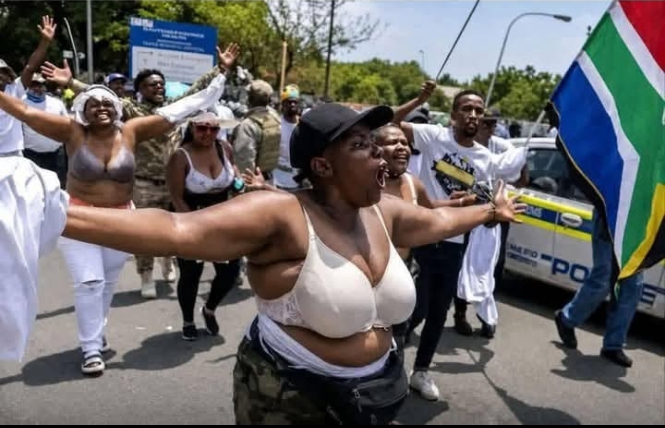
Hundreds of South African women stormed streets in Durban and parts of Johannesburg with bra on Thursday night and Friday morning against xenophobic attacks targeting their Nigerian and Zimbabwean husbands.
Similar protests occurred in 2013 when South African women married to Nigerians marched against discrimination and delays in spousal permits.
Stripping to their undergarments for a renewed demand to protect their husbands, the “Bra Protest” is traditional symbol of extreme distress as the women declared:
“Our husbands are not going anywhere.”
The demonstrators who are legally married to foreign nationals, marched through city centers singing and chanting slogans condemning anti-migrant vigilante groups.
“They are our husbands, the fathers of our children, and the providers for our homes,” said one protester, identified as MaMkhize. “This xenophobia is tearing our families apart. We were shouting yesterday and we are shouting today: Our Nigerian and Zim husbands cannot go anywhere!”
The demonstration follows a surge in anti-foreigner protests and vigilante actions across Durban, the Eastern Cape, and Gauteng since early May. Groups have demanded that all foreign nationals leave South Africa, including those with legal spousal status and children born in the country.
The women say their husbands are legal residents who contribute to their households and communities. The protest is the most visible pushback yet against rising hostility toward migrants, particularly Nigerians and Zimbabweans.
Nigeria’s Minister of Foreign Affairs, Bianca Odumegwu-Ojukwu, confirmed that at least two Nigerians, Kelvin Chidiebere Amaramuiro and Ekpenyong Andrew, have died in the recent crackdown.
Speaking further Nigeria Foreign Affairs Minister said “I maintained that our government cannot stand by and watch the systematic harassment and humiliation of our nationals resident in SA, as well as the extra-judicial killings of our people,” Odumegwu-Ojukwu said after speaking with her South African counterpart, Ronald Lamola.
The Ghana Union of Traders Association issued a statement condemning the attacks and urged the African Union to intervene. “We cannot build African unity while our brothers and sisters are hunted in the streets,” the group said.
Meanwhile, officials in Harare expressed concern for Zimbabwean nationals married to South Africans. The Ministry of Foreign Affairs said it is monitoring the situation and has engaged Pretoria through diplomatic channels.
Civil society groups in Kenya and Uganda have held solidarity vigils, in Nairobi and Kampala and calling on the African Union Commission to enforce the African Charter on Human and Peoples’ Rights and hold South Africa accountable for protecting all residents.
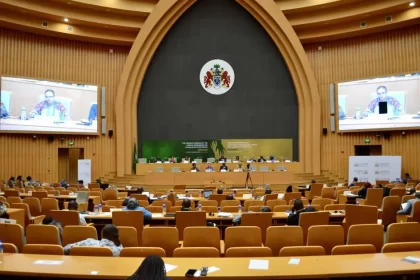
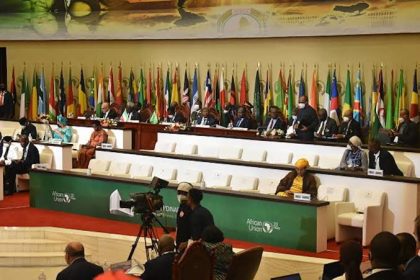
The AU Commission said it is “deeply concerned” and called for restraint. A spokesperson noted that the AU’s Agenda 2063 envisions free movement of people across the continent and urged member states to uphold that vision.
Analysts link the renewed xenophobic sentiment to South Africa’s high unemployment rate, which exceeds 32% nationally and 60% among youth in some areas. Frustration over jobs, housing, and service delivery has often been directed at migrant communities
The Federal Government of Nigeria has begun arrangements to evacuate Nigerians willing to return home.