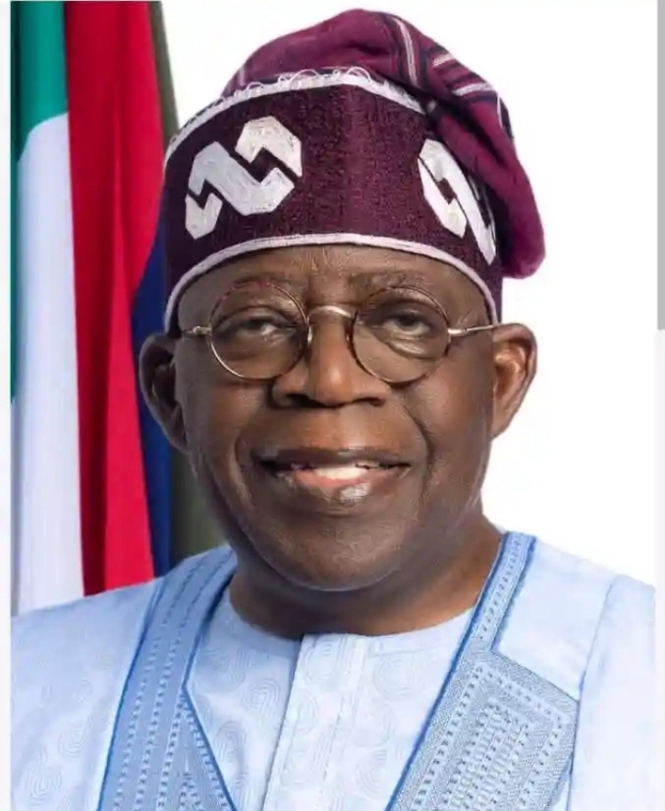
BLEEDING NIGERIA, VULNERABLE DEMOCRACY
An Open Letter to President Bola Ahmed Tinubu on Democracy Day, June 12, 2026
Dear President Bola Ahmed Tinubu,
- Today, June 12, Nigerians gather once again to commemorate Democracy Day. A day that carries the memories of struggle, sacrifice, pain and hope. But beyond the celebrations, speeches and official ceremonies, millions of Nigerians are asking a painful question: after decades of democratic rule, what exactly are we celebrating? June 12 became Nigeria’s Democracy Day because of the historic 1993 presidential election widely remembered as one of the freest elections in the country’s history, won by the late Chief Moshood Kashimawo Olawale Abiola before it was annulled by the military government.
- Mr. President, June 12 was not born out of comfort. It was born out of struggle. It represents the sacrifices of Nigerians who fought against military oppression, intimidation and the denial of the people’s choice. It represents the dream that one day Nigerians would have a government that listens, protects and serves them.
- But today, many citizens are looking around and wondering whether the democracy they fought for has truly delivered the freedom, security and dignity they were promised.
- Mr. President, you assumed office on May 29, 2023, with the expectations of millions of Nigerians who hoped your administration would bring renewed confidence, economic stability and stronger leadership. Yet, nearly three years later, many Nigerians say their daily realities have become more painful.
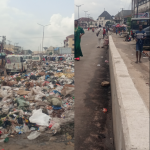
- Today’s Nigeria is a nation bleeding from insecurity, economic hardship, hunger and uncertainty. The ordinary citizen is struggling to survive in an environment where the cost of living continues to rise and hope appears to be fading.
- Mr. President, democracy is not only about elections. Democracy is about whether a mother can sleep peacefully knowing her children are safe. It is about whether a farmer can go to his farm without fear. It is about whether a businessman can operate without losing everything.
- Today, many Nigerians live with fear. Communities are attacked. Families are displaced. Farmers abandon their lands. Travellers move with anxiety. Parents worry about the safety of their children.
- Terrorism, banditry, kidnapping and violent crimes continue to threaten the foundation of the nation. Every life lost to insecurity is a reminder that government’s primary responsibility is protecting its citizens and it remains an urgent duty.
- Mr. President, a country cannot claim true democratic success when citizens are afraid to move freely, afraid to speak openly and afraid about what tomorrow may bring.
- Beyond insecurity is another painful reality: hunger. Millions of Nigerians are struggling to afford basic necessities. Food prices have increased. Transportation costs have become unbearable. Families who once managed to survive comfortably are now making difficult choices every day.
- Many parents are struggling to provide meals for their children. Many young graduates are searching endlessly for opportunities. Many small business owners have closed down because survival has become too expensive.
- Mr. President, when businesses collapse, jobs disappear. When jobs disappear, families suffer. When families suffer for too long, democracy itself becomes vulnerable because hopeless citizens begin to lose faith in the system.
- Your administration came with promises of economic transformation, but many Nigerians believe the policies introduced since 2023 have brought severe hardship. The removal of fuel subsidy and other economic reforms have affected the daily lives of millions who feel the burden more than the benefits.
- Mr. President, Nigerians are not against reforms. Citizens understand that difficult decisions may sometimes be necessary. But they expect compassion, accountability and visible results.
- They want to know when the sacrifices they are making will begin to produce meaningful improvements in their lives.
- Another concern troubling Nigerians is the rising burden of national debt. Many citizens fear that borrowing from international lenders without clear improvements in productivity and living standards may place future generations under unnecessary pressure.
- Mr. President, leadership is not measured only by the amount of money borrowed or projects announced. Leadership is measured by whether ordinary people can feel the impact of government decisions.
- Today, many Nigerians ask: what are we commemorating? Are we celebrating democracy itself, or are we mourning the distance between the dream of democracy and the reality many citizens face?
- June 12 reminds Nigerians of the struggle for a government chosen by the people. It reminds us of the sacrifices made by those who resisted oppression. But it also challenges today’s leaders to protect the values those sacrifices represented.
- Mr. President, democracy becomes weak when citizens feel ignored. It becomes fragile when people believe their voices matter only during elections.
- A strong democracy allows criticism. A strong democracy protects journalists, activists and ordinary citizens who demand accountability. A strong democracy listens even when the truth is uncomfortable.
- Nigerians are not asking for miracles. They are asking for security. They are asking for affordable food. They are asking for jobs. They are asking for a government that understands their struggles.
- They are asking why millions of citizens continue to suffer while political conversations increasingly focus on future elections and political calculations.
- Mr. President, history will not remember only the speeches delivered during Democracy Day celebrations. History will remember whether your administration protected the people during difficult times.
- The question future generations will ask is simple: when Nigeria was bleeding, did its leaders respond with urgency?
- When citizens were hungry, did government act? When communities were attacked, did government protect them? When businesses collapsed, did government create solutions?
- Mr. President, you have the opportunity to redefine this moment. You have the opportunity to prove that democracy is not just about winning elections but about improving lives.
- Nigeria needs stronger security, better economic planning, support for businesses, protection of vulnerable citizens and institutions that truly serve the people.
- Nigerians want a country where children grow up with hope instead of fear. They want a country where mothers are confident their children will return home safely. They want a country where hard work is rewarded.
- Democracy should not only be celebrated in government buildings. Democracy should be felt in markets, farms, schools, homes and communities across Nigeria.
- Mr. President, June 12 should not become another public holiday filled with speeches and ceremonies. It should remain a reminder that power belongs to the people and leaders are servants of that people.
- As Nigeria marks another Democracy Day, the nation is watching and waiting. Nigerians want actions that restore trust, rebuild confidence and heal a country carrying deep wounds.
- Mr. President, the story of Nigeria’s democracy is still being written. Your place in that story will depend not on the promises made, but on the lives improved, the fears reduced and the hope restored. May June 12 remind your administration that democracy survives only when citizens can live with dignity, security and hope.
Yours faithfully,
God bless Nigeria
Written by:
Samuel Abasiekong-Abasiekong, Editor @ www.9newsng.com,
A Concerned Nigerian Citizen