By Nze Emmanuel Ehirim (United Kingdom)
The Imo State Government has every legal right to recover land unlawfully acquired from the public. However, the exercise must be guided by due process, transparency and fairness to ensure that justice is served for both the government and affected citizens.
A Necessary Exercise, But Questions Remain:
The recent public notice issued by the Imo State Government on 30 June 2026, announcing its intention to recover “illegally acquired government lands” across several parts of the state, has generated widespread public debate.
The notice specifically identified locations including Redemption Estates 1–4, Area P, Area T, Area K, Alaoma Layout, Paradise Layout, Otamiri North, Otamiri South, Naze Industrial Layout and Ogbaku Estate Layout, among others.
Government also warned that structures erected on such lands may be demolished, while individuals involved in the illegal acquisition or sale of government property could face prosecution.
No responsible citizen should oppose the recovery of genuine government property. Every government has a constitutional duty to protect public assets, uphold the rule of law and prevent land grabbing. Where public land has been fraudulently acquired through forgery, abuse of office or other unlawful means, the law should take its full course.
However, there is another side of the story that deserves equal attention. Equity Demands Clean Hands. One of the oldest principles of justice states: “He who comes to equity must come with clean hands.”
This timeless principle should apply not only to private citizens but also to governments. Before recovering lands now described as government property, the Imo State Government owes citizens important explanations.
How did those lands become government property?
Were the original land-owning communities adequately consulted?
Were acquisition procedures prescribed by Nigerian law strictly followed?
Were compensation payments made fairly, promptly and transparently?
Or were some communities dispossessed under military decrees or administrative actions that ignored the rights of indigenous landowners?
These are legitimate questions within a constitutional democracy.
The Questions Surrounding Otamiri North and South:
Particularly significant is the government’s reference to Otamiri North and Otamiri South.Many residents know these names as government planning designations rather than indigenous communities.Beneath those official titles lie ancestral lands belonging to families and communities whose history predates the creation of Imo State.
For years, many indigenous landowners have questioned whether their lands were lawfully acquired and whether adequate compensation was ever paid. If compensation remains outstanding or acquisition procedures were defective, government should first address those historical grievances before presenting itself as the unquestionable owner of the land.
Justice cannot be selective. Government Power Comes With Legal Responsibility Nigeria’s Land Use Act gives state governors significant powers over land administration. Those powers, however, are not absolute.
The law equally provides that where land is acquired for overriding public purposes, affected persons are entitled to compensation in accordance with the law. Government cannot invoke statutory authority while overlooking the legal responsibilities that accompany that authority.
Where acquisition procedures were flawed, compensation inadequate or due process ignored, those issues deserve careful review. Transparency Must Replace General Announcements
The recent notice broadly refers to “illegally acquired lands.” That description raises important practical questions.
How will government distinguish between:
- Genuine land grabbers;
- Innocent purchasers who bought land in good faith;
- Families occupying ancestral lands for generations; and
- Victims of multiple government allocations made by different administrations?
Without transparent criteria, innocent citizens could suffer alongside genuine offenders. Due Process Is the Best Protection
Rather than relying principally on demolition threats, government should establish an independent land verification exercise comprising:
- Representatives of affected communities;
- Traditional institutions;
- Registered surveyors;
- Land law experts;
- The Nigerian Bar Association;
- Civil society organisations; and
- Officials of the Ministry of Lands.
Such an inclusive process would strengthen public confidence, minimise costly litigation and ensure that every affected landowner has an opportunity to present title documents before irreversible decisions are taken.
Government Must Also Investigate Itself: If fraudulent allocations occurred, public attention should not focus exclusively on buyers.
Important questions also deserve answers. Who allocated those lands? Which government officials authorised the transactions? Who benefited from them?
Public officers who abused their positions should face the same legal consequences as private individuals. Justice loses credibility when it punishes only one side.
Development Depends on Public Trust: Imo State undoubtedly requires orderly urban planning and responsible land administration. Investors equally require certainty regarding land ownership.
However, certainty cannot be achieved through fear alone. It is built on transparent institutions, consistent policies and respect for citizens’ rights. Communities that surrendered land for public purposes should not continue living with unanswered questions decades later.
Justice Must Guide Land Recovery:
The Imo State Government possesses both the constitutional authority and legal responsibility to recover land that has genuinely been stolen or fraudulently acquired.
That authority, however, must always be exercised within the framework of justice, transparency and fairness. If government expects citizens to prove the legality of their titles, it must equally be prepared to demonstrate the legality of its own acquisitions.
The recovery of public land should never become the recovery of land whose original owners were never properly compensated. In matters of land ownership, justice is measured not merely by who exercises power, but by who faithfully upholds the law.
For indeed, he who comes to equity must come with clean hands.
About the Author:
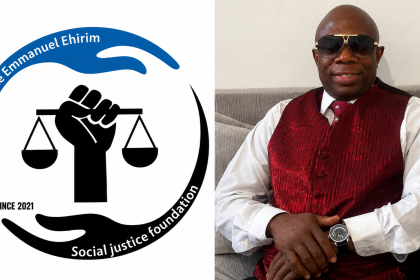
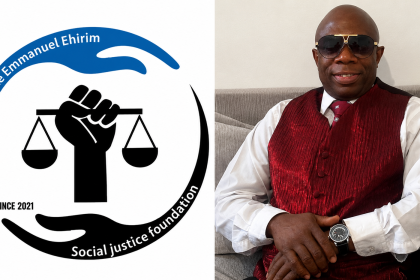
Nze Emmanuel Ehirim is a Corporate Communications Practitioner, public affairs commentator and community development advocate. He is the Chief Executive Officer of the Nze Emmanuel Ehirim Social Justice Foundation and writes extensively on governance, leadership, accountability, social justice and sustainable development.
Website: https://nzesocialjusticefoundation.org
Email: [email protected]