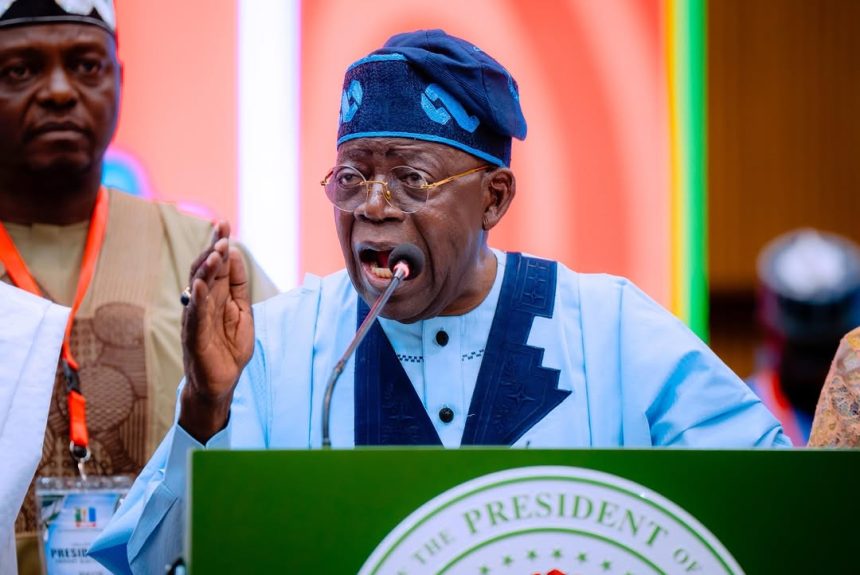
The Nigerian economic landscape is currently navigating its most turbulent period in three decades. Since the inauguration of President Bola Ahmed Tinubu in May 2023, the nation has undergone a radical “shock therapy” transition aimed at correcting long-standing structural imbalances.
However, for the average citizen and global investor, the constant stream of Nigeria economic news often presents a confusing mix of aggressive reform agendas and unprecedented hardship. While the administration frames its “Renewed Hope Agenda” as a long-term roadmap to prosperity, the immediate fallout has triggered a severe cost-of-living crisis, plunging millions deeper into poverty.
Here is a deep-dive analysis into the five core economic policies driving this shift, the mechanics of the Naira’s valuation, and the real-world impact on the populace.
1. The Abrupt Removal of the Fuel Subsidy
For decades, Nigeria spent trillions of Naira annually to keep domestic petrol prices artificially low. President Tinubu dismantled this system on “Day One” of his administration, arguing that the subsidy primarily benefited smugglers and the wealthy while bankrupting the state.
The Fallout: Without immediate production increases or compensatory buffers, petrol prices instantly jumped from around ₦185 to over ₦1,000 per liter. Transportation costs tripled overnight, triggering a direct cost-push inflationary spiral that spiked the price of every essential commodity nationwide.
2. Aggressive Forex Unification and the Naira Float
In a bid to eliminate arbitrage—where well-connected individuals bought cheap dollars from the government and resold them at premium rates on the parallel market—the Central Bank of Nigeria (CBN) collapsed its multiple exchange rate windows into a single, market-driven pool.
The Fallout: This policy effectively floated the currency, triggering a massive devaluation cycle. The Naira lost over 70% of its value against the US Dollar within a year. A severe supply gap caused by rampant oil theft, underinvestment in the Niger Delta, and a inherited $7 billion Forex backlog left the CBN with few dollars to defend the local currency, eroding the purchasing power of all local earners.
3. Radical Monetary Policy Tightening
To mop up excess liquidity and combat skyrocketing inflation, CBN Governor Olayemi Cardoso returned the central bank to strict orthodox monetary policies. This included aggressively hiking the Monetary Policy Rate (MPR) to over 26%.
The Fallout: While intended to stabilize the macroeconomy and curb inflation, these sky-high interest rates have suffocated local businesses. Thousands of Micro, Small, and Medium Enterprises (MSMEs) have collapsed under the weight of expensive credit, while manufacturing giants like GlaxoSmithKline (GSK) and Procter & Gamble (P&G) have exited the country entirely, accelerating job losses.
4. Aggressive Fiscal Consolidation
Led by Wale Edun, the Minister of Finance and Coordinating Minister of the Economy, the administration pushed heavily for fiscal consolidation. This strategy focused strictly on boosting government revenue and tightening public spending rather than maintaining protective economic buffers for vulnerable households.
The Fallout: While this policy successfully increased government revenues and boosted the stock market (NGX), the deliberate withdrawal of consumer safety nets occurred at a time when the domestic economy was completely unprepared. The lack of an established, comprehensive social security system left the poorest 80% of the population entirely exposed to market volatility.
5. Over-Reliance on Neoliberal Imports Without Domestic Buffers
The administration pursued rapid liberalization of key sectors, relying heavily on international market forces to correct pricing disparities before expanding domestic manufacturing and refining capabilities.
The Fallout: Because Nigeria remains a heavily import-dependent nation, floating the currency before achieving domestic self-sufficiency meant that imported inflation quickly outpaced wages. A recently negotiated minimum wage increase from 30,000 to 70,000 Naira was rendered largely meaningless as food inflation crossed the critical 40% mark, trapping families in a desperate struggle to afford basic daily meals.
Macroeconomic Overview: The Key Numbers
The polarized debate surrounding the “Renewed Hope Agenda” highlights the deep contrast between macroeconomic adjustments and the ground reality. Below is the real-time economic data painting the picture of the current transition phase.
Key Nigerian Economic Indicators
| Metric | Current Status / Estimate | Directional Trend |
| GDP Growth Rate | 2.9% – 3.1% | Stagnant |
| Headline Inflation | 33.9%+ | Rising |
| Food Inflation | 40.5%+ | Critical |
| Monetary Policy Rate (MPR) | 26.25% | Tightening |
| Naira / USD (Official) | ₦1,450 – ₦1,550 | Highly Volatile |
| Foreign Reserves | ~$33 Billion | Fluctuating |
Sectoral Impact and The Path Forward
Despite the pervasive hardship, certain sectors are beginning to see structural transformations that could determine the long-term success of these reforms:
- The Energy Sector: The commencement of operations at the Dangote Refinery is projected to ease pressure on the Naira by 30% to 40% by reducing the need to export scarce USD for refined fuel imports. Transitioning public transit to Compressed Natural Gas (CNG) and solar energy is also gaining traction.
- Tech & Services: This arena remains Nigeria’s brightest star, continuing to attract global venture capital and provide buffer employment despite local currency shocks.
- Agriculture: Currently under a technical state of emergency, the sector requires urgent interventions in rural security to protect farmers and lower the structural cost of food.
Survival Strategy for Businesses and Investors
To navigate this transition phase, financial experts recommend that entities hedge against ongoing currency risk by holding USD-denominated assets, pivot corporate focus toward essential consumer goods, and strictly monitor ongoing CBN circulars and Form M regulations to protect operational cash flows.
The Verdict: Nigeria’s current economic status is a painful case of “short-term pain for long-term gain.” However, the sheer depth of the pain is actively testing social stability. For the administration to prevent total reform failure, it must urgently stabilize the Naira and actively secure agricultural zones to pull its citizens out of the inflation trap.
Disclaimer: This article is for informational purposes only and does not constitute formal financial advice.
For more context on the public reaction to these economic policies, visit www.facebook.com/9NewsNG