By Samuel Abasiekong-Abasiekong
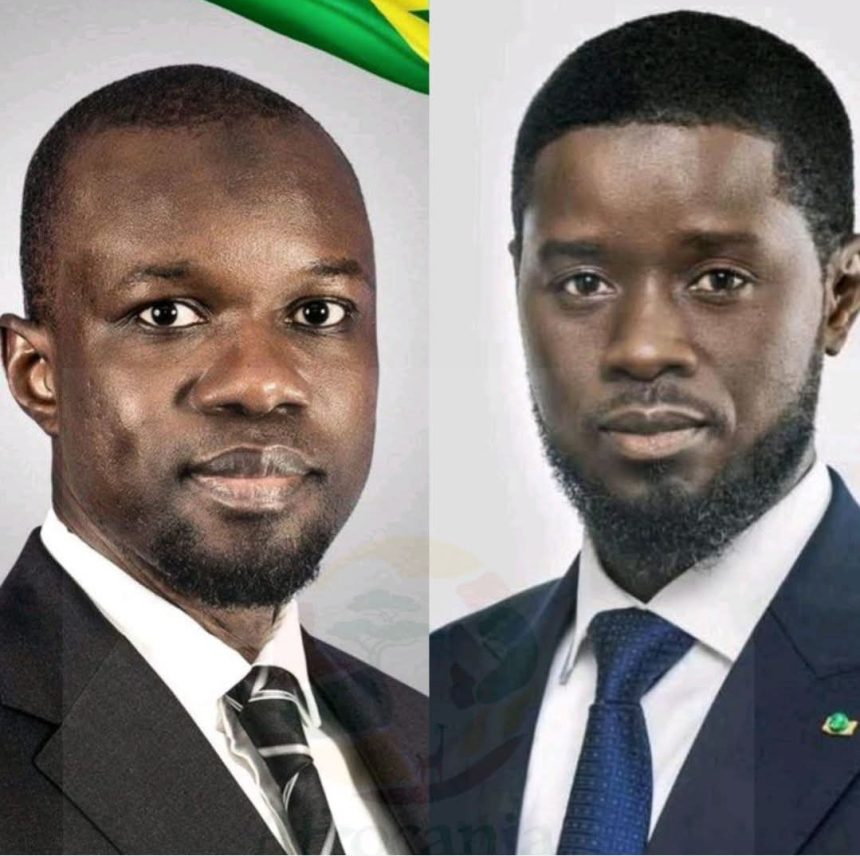
Dismissed Senegalese Prime Minister Ousmane Sonko has accused President Bassirou Diomaye Faye of punishing him for speaking against corruption and economic policies he said were hurting ordinary citizens.
Sonko, in an emotional reaction days after his removal from office, said he was targeted for insisting that “there is no dignity in stealing at the expense of the poor masses” amid Senegal’s worsening economic crisis.
In a strongly worded statement, Sonko criticised Faye’s handling of the economy, accusing the president of focusing more on foreign trips and international borrowing than addressing the hardship facing Senegalese citizens.
“At a time when Senegal is struggling with rising debt, fuel subsidy challenges and difficult IMF negotiations, all Faye seems concerned about is traveling to France, taking pictures with Macron and borrowing even more money,” Sonko declared, questioning what became of the reform promises that brought their government to power in 2024.
The dramatic fallout marks a stunning collapse in the alliance between the two longtime political allies who rose together under the ruling PASTEF movement.
Analysts say tensions between both men had been building for months over control of government, management of Senegal’s debt crisis, and disagreements surrounding negotiations with the International Monetary Fund.
Sonko reportedly opposed proposed fuel price increases and debt restructuring measures backed by international lenders, arguing that the burden was being unfairly placed on struggling citizens.
The relationship further deteriorated after Sonko publicly accused the presidency of slowing key reforms and abandoning the ideals that inspired millions of young Senegalese voters during the 2024 election.
Political observers also believe rivalry over the 2029 presidential succession deepened mistrust within the administration, as Sonko remained one of the country’s most influential political figures with a powerful grassroots following.
President Faye on May 22 exercised his constitutional powers to dismiss Sonko and dissolve the entire cabinet, a move that has since triggered political uncertainty across Senegal.
While the presidency did not officially provide detailed reasons for the sack, government insiders linked the decision to growing internal tensions and concerns over national stability.
The crisis comes as Senegal faces mounting financial pressure after previously undisclosed debts reportedly complicated the country’s relationship with the IMF and stalled parts of a major financial support programme.
Sonko’s removal has sharply divided public opinion in Senegal, with many of his supporters describing him as a victim of political betrayal, while critics accuse him of fueling instability through repeated public attacks on the presidency. The development is widely seen as a major test for the future of Senegal’s ruling coalition and the political future of both men, whose partnership once symbolised a new era of reform and generational change in West Africa.