Dr Etofolam Osuji mni fca
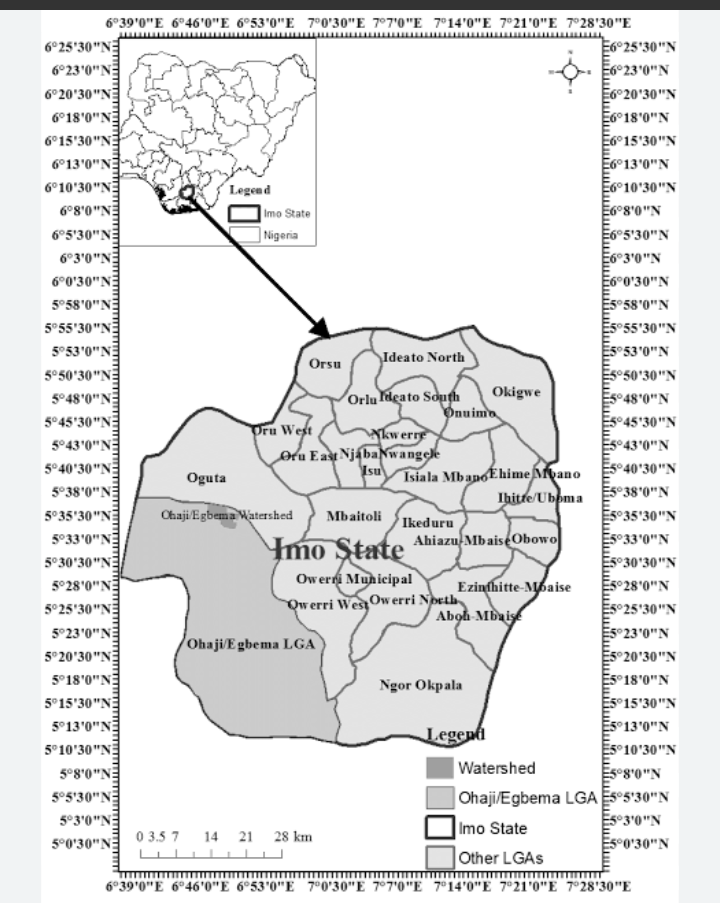
The sustained and unexplained silence surrounding the evolving situation in Ohaji/Egbema is not merely an oversight in the contemporary news cycle but a deeply concerning indicator of regional apathy that threatens the long-term stability of Imo State.
Given the strategic economic importance and the complex socio-political fabric of the area, it is imperative that this issue transitions from the periphery to the center of public discourse. Mr. Okechukwu Ajoku and Duruebube Ushi na Abosi have lit the touch for a robust strategic discussion on this key issue, others should join them.
The responsibility for this intellectual and social mobilization falls squarely on the shoulders of the traditional and political leadership and other stakeholders across the state.
Specifically, the elders and stakeholders within the Owerri and Okigwe zones must recognize that the challenges facing Ohaji/Egbema are not isolated local grievances but are inextricably linked to the collective welfare of the entire state.
Apathy in one zone invariably leads to systemic decay in the others, and the current lull suggests a dangerous fragmentation of regional interests. Elders of Owerri must be multitasking on fundamental issues in addition to facing the Charter of Equity that is being discussed. The charter of Equity without the Ohaji/Egbema resolution and conclusion in Imo State is devoid of any meaning whatsoever.
To counter this trend, influential organizations such as Mezie Owerri must take a proactive stance in maintaining the tempo of these discussions. It is no longer enough to react to crises as they erupt; there must be a sustained, structured narrative that keeps the socio-economic and security realities of Ohaji/Egbema at the forefront of the state’s agenda.
The elders of Owerri and Okigwe possess the moral authority and historical perspective necessary to bridge communal gaps and demand accountability from both corporate actors and government institutions operating within the oil-producing regions.
By fostering a continuous dialogue, these leaders can ensure that the nuances of the Ohaji/Egbema situation—ranging from environmental concerns to infrastructure deficits and keeping them in Owerri zone—are not buried under the weight of partisan politics for 2027.
The goal is to create a unified front where the concerns of the Egbema person are championed with the same vigor in the streets of Owerri and the markets of Okigwe, thereby ensuring that the “lull” is replaced by a resonant, statewide demand for justice and sustainable development.
Bring them under Owerri zone is a task that must be accomplished.
For inquiries on this news, contact 9News Nigeria on +234 08036856526