For millions of Africans, the value of a passport goes far beyond its official seal. It determines where they can go, how easily they can travel, and whether business, education or tourism plans will face delays. Now, the 2025 edition of the Henley Passport Index has laid out the latest rankings—and the news is mixed.
At the global level, Singapore holds onto the top spot, offering visa-free or visa-on-arrival access to 193 destinations out of 227 worldwide. But among African countries, several nations are making notable gains in passport power, reflecting stronger diplomatic engagement and regional cooperation.
Seychelles remains Africa’s strongest passport
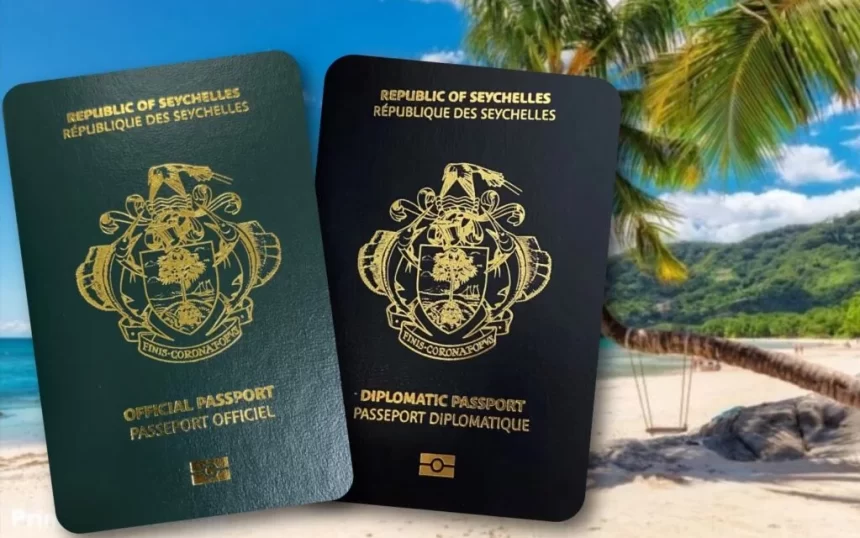
Topping the African chart is Seychelles, ranked 24th globally. Citizens of this island nation can travel to 156 countries without needing a visa in advance. Its consistent top-tier placement in Africa is attributed to longstanding international partnerships and active diplomacy.
Mauritius and South Africa follow closely
Coming in second is Mauritius, whose passport provides access to 149 destinations visa-free or with visa-on-arrival. Ranked 27th globally, Mauritius continues to benefit from its solid economy, strong diplomatic ties, and strategic engagement with partners across Asia, Europe and the Americas.
South Africa, the continent’s most industrialised country, ranks 48th globally with access to 103 countries. Although it lags behind the island nations, South Africa leads all African mainland countries and remains an important player in regional mobility.
Southern Africa dominates the top 10
Botswana takes fourth place in Africa and 59th globally. Known for its political stability and good governance, Botswana’s citizens enjoy access to 85 destinations, a clear reflection of its international credibility.
Namibia, ranked 63rd globally, follows with access to 79 countries. The country’s rising passport strength is linked to improved bilateral agreements and increased regional integration.
Lesotho, a small Southern African country, comes in sixth, with its passport granting access to 76 destinations and a global rank of 65th. Membership in the Commonwealth and historic partnerships help boost its global mobility.
Eswatini (formerly Swaziland) ranks 66th worldwide, giving its citizens access to 74 countries. It benefits from regional agreements and diplomatic continuity within Africa and parts of Asia.
East and North Africa maintain solid standings
Malawi and Morocco are tied in the 67th global position, with visa-free or visa-on-arrival access to 73 countries. Morocco’s geographic proximity to Europe and its expanding relations with the Middle East support its strong showing. Malawi’s inclusion reflects improved foreign policy engagement.
Kenya rounds out the African top 10 at 69th globally. With access to 71 destinations, the Kenyan passport remains one of the strongest in East Africa, supported by the country’s continued investment in international relations and trade.
Africa’s mobility gap narrows slowly
Although African passports still trail behind European and Asian counterparts in overall power, the trajectory is positive. Countries across the continent are securing more reciprocal travel agreements, modernising immigration frameworks, and strengthening regional integration efforts.
As diplomatic ties deepen and global perceptions shift, more African citizens may soon find their passports unlocking greater freedom, opportunity and access across the world.