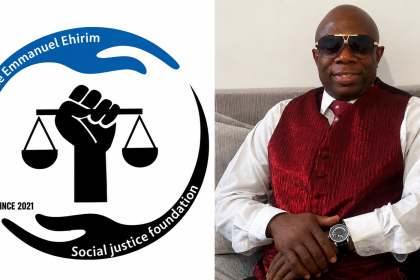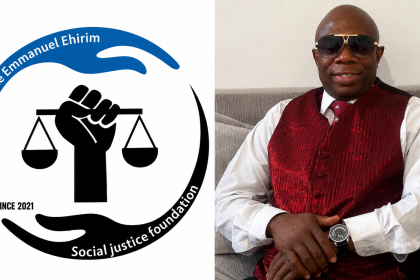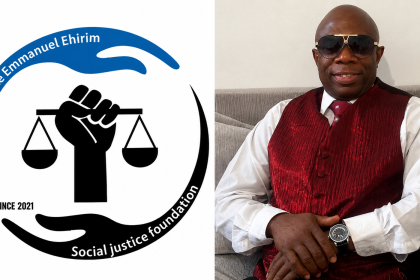
By Nze Emmanuel Ehirim
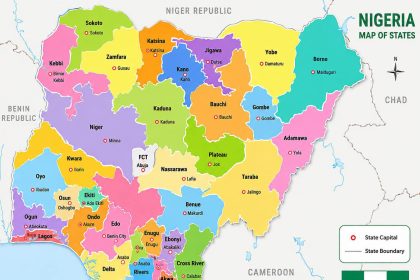
For too long, Nigerians have concentrated almost every criticism of poor governance on the Federal Government while insufficient attention is paid to what happens in our thirty six (36 ) states.
It is time to change the conversation.
Every tier of government must account for the resources entrusted to it and demonstrate how those resources have improved citizens’ lives.
In July 2026 alone, Nigeria’s three tiers of government shared a record ₦3.007 trillion with state governments collectively receiving about ₦943.35 billion. (Punch Newspapers).
Thus, with such enormous transfers, governors cannot perpetually blame Abuja for failures within their constitutional responsibilities.This is why reports and individual testimonies alleging unpaid gratuities and other entitlements in Imo State deserve transparent answers.
One retired teacher and good-governance campaigner reportedly laments that twelve (12 )years after retirement, his gratuity remains unpaid.
Though she corroborated several reports where similar claims were made, such claims should not simply become political accusations; the state government should publish comprehensive figures showing what is owed, what has been paid and when outstanding verified liabilities will be cleared.

The contrast with Abia State deserves attention. Governor Alex Otti’s administration says more than ₦10 billion was earmarked in the 2026 fiscal year for gratuities accumulated over approximately 20 years.
Abia’s teachers’ union has also publicly acknowledged payment of 17 months of salary arrears inherited from the previous administration (abiastate.gov.ng).
What an injustice not to pay workers whose families depend on the stipend called salary!This is not about declaring President Bola Tinubu blameless for Nigeria’s economic difficulties. The Federal Government must answer for its own policies and responsibilities. But governors, local governments and their political appointees must equally be subjected to scrutiny.
Workers, teachers, pensioners and government aides should not beg for legitimately earned entitlements while governments receive increased allocations. Accountability must begin closer to home.
Nigerians should ask their governors: How much have you received, what have you done with it and how has it improved our lives? Communities should ask their local government Chairmen how much they get from the state governments and what they do with their allocation.
Time for accountability across all tiers of governance is now. Democracy cannot survive on excuses. Federal allocation must translate into local development.
About the Author
Nze Emmanuel Ehirim is a corporate communication practitioner, community development advocate and social policy commentator with extensive experience in governance, leadership, social justice and sustainable development. He writes regularly on public policy, accountability, community participation, oil and gas governance, environmental justice, education, security and socio-economic development.
He is passionate about promoting transparent leadership, equitable distribution of public resources and policies that place people at the centre of development.
His commentaries advocate responsible governance, institutional accountability and inclusive partnerships between government, investors and local communities to achieve sustainable growth.
Drawing on his experience in community engagement and public service, he believes that the true measure of government is not the wealth generated from natural resources but the positive transformation of people’s lives through quality education, accessible healthcare, improved infrastructure, security, employment opportunities and social justice.