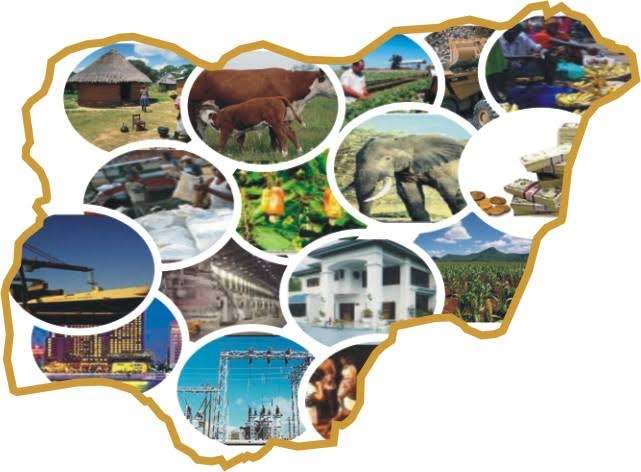
In today’s increasingly digitised and interconnected world, harnessing national debts to create economic assets has emerged as a strategic opportunity for governments to drive productivity, foster growth, and enhance the well-being of citizens.
While leveraging debt for productive investments holds promise for unlocking economic potential and addressing societal challenges, it also presents complex issues that demand careful consideration and thoughtful solutions.
In this context, exploring the challenges, opportunities, and implications of engaging productivity through debt-financed economic assets in the digital age is crucial.Nigeria must leverage its debt to create economic assets that will generate sustainable growth and development.
This can be achieved through a combination of debt restructuring, investment in key sectors, and improving fiscal management.One key step is to restructure the existing debt to make it more manageable and sustainable.
This can involve renegotiating terms with creditors, extending maturity dates, and reducing interest rates. By doing so, Nigeria can free up funds to invest in critical areas such as infrastructure, education, and healthcare.In addition, Nigeria should prioritise investments in sectors that have the potential to drive economic growth, create jobs, and generate revenue.
This includes industries such as agriculture, manufacturing, and technology.
By stimulating growth in these sectors, Nigeria can increase productivity, attract foreign investment, and reduce its reliance on debt.Furthermore, Nigeria must focus on improving fiscal management to ensure that debt is used efficiently and effectively.
This includes strengthening budgetary processes, enhancing transparency and accountability, and reducing wasteful spending.
By implementing sound fiscal policies, Nigeria can better manage its debt and ensure that resources are allocated to projects with the highest returns.Overall, Nigeria must proactively work to turn its debt into economic assets that will drive sustained growth and development.
By restructuring debt, investing in key sectors, and improving fiscal management, Nigeria can reduce its debt burden, spur economic activity, and improve the lives of its citizens.While leveraging national debt to create economic assets can be a sound strategy for sustainable growth, there are some potential grey areas and challenges to consider.
Here are a few key points to explore:1. Debt sustainability: One of the primary concerns when using debt to create economic assets is ensuring that borrowing remains sustainable in the long run. If debt levels become too high or unsustainable, it can lead to financial instability, credit downgrades, and increased borrowing costs. Nigeria must carefully manage its debt levels and monitor its debt-to-GDP ratio to prevent a debt crisis.2. Corruption and mismanagement:
There is a risk that funds borrowed through debt could be mismanaged or diverted through corruption, leading to inefficiency and waste.
Nigeria must strengthen its governance, transparency, and accountability mechanisms to implement debt-financed projects effectively and deliver the intended economic benefits.
3. Economic diversification: Using debt to create economic assets should be a broader strategy to diversify the economy and reduce dependence on oil revenues. Nigeria must develop non-oil sectors, such as agriculture, manufacturing, and services, to create a more balanced and resilient economy. Failure to diversify could undermine the sustainability of debt-financed projects.
4. Social and environmental impacts: Debt-funded projects must consider social and environmental impacts to ensure sustainable development. Infrastructure projects, for example, should be designed to benefit local communities and minimise adverse environmental effects. Nigeria must prioritise sustainable and inclusive growth to ensure that debt-financed projects benefit all segments of society.
5. External factors: Nigeria is vulnerable to external shocks, such as fluctuations in oil prices, global economic conditions, and currency volatility. These factors can affect the country’s ability to service its debt and implement growth-enhancing projects.
Nigeria must assess and mitigate these external risks to safeguard the sustainability of its debt-financed investments.Essentially, while using national debt to create economic assets can be a viable strategy for sustainable development, Nigeria must navigate these grey areas carefully to ensure that debt is managed responsibly, transparently, and effectively.
By addressing these challenges proactively, Nigeria can maximise the benefits of debt-driven investments and pave the way for long-term economic growth and stability.In the digital age, there are several ways in which Nigeria can leverage national debts to create economic assets that benefit its citizens.
Here are some reworked strategies that could work to the advantage of citizens:1. Invest in digital infrastructure: One way to use national debt effectively is to invest in robust digital infrastructure such as broadband internet, mobile networks, and e-government platforms. Improved digital connectivity can enhance access to information, education, healthcare, and economic opportunities for citizens across the country.
2. Promote digital literacy and skills development: Nigeria can use debt financing to implement training programs and initiatives that promote digital literacy and skills development among its citizens. Nigeria can foster innovation, entrepreneurship, and job creation in the digital economy by equipping the population with relevant digital skills.
3. Support small and medium enterprises (SMEs): Debt-funded initiatives can be directed towards supporting SMEs, especially tech startups and digital businesses. Providing financial assistance, technical support, and access to markets can help SMEs thrive in the digital age, driving economic growth and creating employment opportunities for citizens.
4. Enhance access to digital services: National debt can be used to improve access to essential digital services such as e-commerce, online banking, telemedicine, and e-learning platforms. By expanding digital service provision, Nigeria can enhance convenience, efficiency, and inclusivity for citizens, particularly in remote and underserved areas.
5. Foster digital innovation and entrepreneurship: Debt financing can be channelled towards supporting digital innovation hubs, incubators, and accelerators that nurture local talent and encourage entrepreneurship in the digital sector.
By fostering a culture of innovation, Nigeria can stimulate economic dynamism and competitiveness, benefiting citizens and driving sustainable growth.
6. Ensure data privacy and cybersecurity: As Nigeria transitions to a more digitized economy, protecting citizens’ data privacy and cybersecurity becomes paramount. Debt-funded investments in cybersecurity infrastructure, regulations, and skills development can help safeguard citizens’ digital information and build trust in online transactions and services.
By strategically leveraging national debt to invest in digital infrastructure, skills development, SME support, service accessibility, innovation, and cybersecurity, Nigeria can create economic assets that empower citizens, enhance quality of life, and drive sustainable growth in the digital age. Prioritising citizen-centric approaches in debt-financed initiatives can maximize the benefits and ensure that the dividends of digital transformation are widely shared across society.
How can we effectively harness national debts to generate economic assets and drive productivity in the digital age? By exploring the potential of utilising debt to create tangible economic value, we can delve into the complexities of leveraging financial resources for sustainable growth and innovation.
This interconnected approach fosters a deeper understanding of the dynamics between debt management and economic development, paving the way for enhanced productivity in an increasingly competitive global landscape.Engaging productivity using national debts to create economic assets can yield several benefits and opportunities for sustainable growth.
Here are some robust arguments for leveraging national debts to enhance productivity and build economic assets:1. Infrastructure development:
Investing in productive infrastructure projects such as transportation networks, energy systems, and communication facilities can improve connectivity, reduce logistics costs, and enhance overall productivity. National debts can fund these critical infrastructure projects, creating long-term economic assets that support economic growth and competitiveness.
2. Technology adoption and innovation: Debt financing can facilitate the adoption of technology and innovation across various sectors of the economy.
By investing in research and development, digital transformation, and technological capacity building, countries can boost productivity, drive efficiency, and foster competitiveness in a rapidly evolving global market.
3. Human capital development: National debts can be used to invest in education, training, and skills development programs that enhance the productivity and capabilities of the workforce.
By equipping citizens with relevant skills and knowledge, countries can cultivate a skilled labor force that drives innovation, creativity, and productivity in the economy.4. Support for small and medium enterprises (SMEs): Debt-funded initiatives targeted at supporting SMEs can stimulate entrepreneurship, job creation, and economic diversification.
By providing financial assistance, technical support, and market access to SMEs, countries can bolster productivity, encourage innovation, and foster a competitive business environment that benefits the broader economy.
5. Sustainable agriculture and food security: Debt financing can be directed towards investing in sustainable agriculture practices, irrigation systems, and value chain development in the agricultural sector.
By enhancing agricultural productivity, promoting food security, and supporting rural livelihoods, countries can build economic assets that contribute to long-term resilience and prosperity.
6. Export-oriented growth: Leveraging national debts to promote export-oriented growth can drive productivity gains, enhance competitiveness, and expand market access for domestic goods and services.
By investing in export infrastructure, trade facilitation measures, and market diversification strategies, countries can capitalize on global trade opportunities and build economic assets that generate sustainable income streams.Coherently, engaging productivity using national debts to create economic assets can catalyze sustainable growth, foster innovation, and improve living standards for citizens.
By prioritizing strategic investments in infrastructure, technology, human capital, SMEs, agriculture, and export-oriented growth, countries can unlock the potential of their economies, strengthen productivity levels, and build a foundation for inclusive and resilient development.While leveraging national debts to create economic assets can offer significant opportunities for sustainable growth, there are several issues that need to be carefully considered in the planning and implementation of such strategies.
Here are some potential challenges with thought processes and suggested solutions:
1. Debt sustainability: One of the primary concerns with using national debts to fund economic assets is the risk of accumulating unsustainable levels of debt.
Governments must ensure that borrowing is done prudently and that debt levels are manageable in the long term. Solution: Implement robust debt management strategies, including transparent borrowing practices, effective debt monitoring, and adherence to fiscal discipline to ensure debt sustainability.
2. Allocation and prioritization: Deciding where to allocate debt-financed funds requires careful consideration and strategic planning to maximize economic impact. Governments must prioritize investments that yield the highest returns in terms of productivity enhancement and long-term growth. Solution:
Conduct thorough cost-benefit analyses, prioritize projects with high economic potential, and ensure that investments align with national development priorities to optimize the use of debt financing.
3. Accountability and transparency: The effective utilization of national debts to create economic assets requires accountability, transparency, and good governance practices to prevent corruption, mismanagement, or misallocation of funds. Solution: Strengthen institutional capacity, enhance transparency in decision-making processes, promote stakeholder engagement, and ensure proper oversight mechanisms to uphold accountability and integrity in debt-funded initiatives.4. Risks and uncertainties:
Economic conditions, market dynamics, and external factors can introduce risks and uncertainties that may impact the success of debt-financed projects. Governments must assess and manage these risks to safeguard investments and mitigate potential adverse outcomes. Solution: Conduct rigorous risk assessments, adopt risk mitigation strategies, establish contingency plans, and monitor project performance to address uncertainties and minimize potential risks associated with debt-funded ventures.
5. Socioeconomic impacts: The distributional effects of debt-financed investments on different segments of society must be carefully evaluated to ensure that the benefits are shared equitably and reach those most in need. Solution:
Implement inclusive policies, social safety nets, and targeted interventions to address socioeconomic disparities, promote social inclusion, and ensure that the benefits of economic assets created through debt financing are shared broadly across the population.
By addressing these issues with thoughtful consideration, strategic planning, and effective governance practices, governments can harness the potential of national debts to create economic assets that drive productivity, foster sustainable growth, and enhance the well-being of citizens in the digital age.In conclusion, as nations navigate the challenges and opportunities of leveraging national debts to create economic assets in the digital age, adopting a strategic and prudent approach that balances risk, sustainability, accountability, and inclusivity is imperative.
By addressing the issues of debt sustainability, allocation and prioritisation, accountability and transparency, risks and uncertainties, and socioeconomic impacts with thoughtful consideration and effective governance practices, governments can unlock the potential of debt financing to drive sustainable growth, promote productivity, and improve the well-being of citizens.
In doing so, they can leverage debts as a strategic tool to build economic assets and propel progress in the digital era, creating a pathway towards a more prosperous and resilient future for all.